
Ajanthemum
Ajanthemum
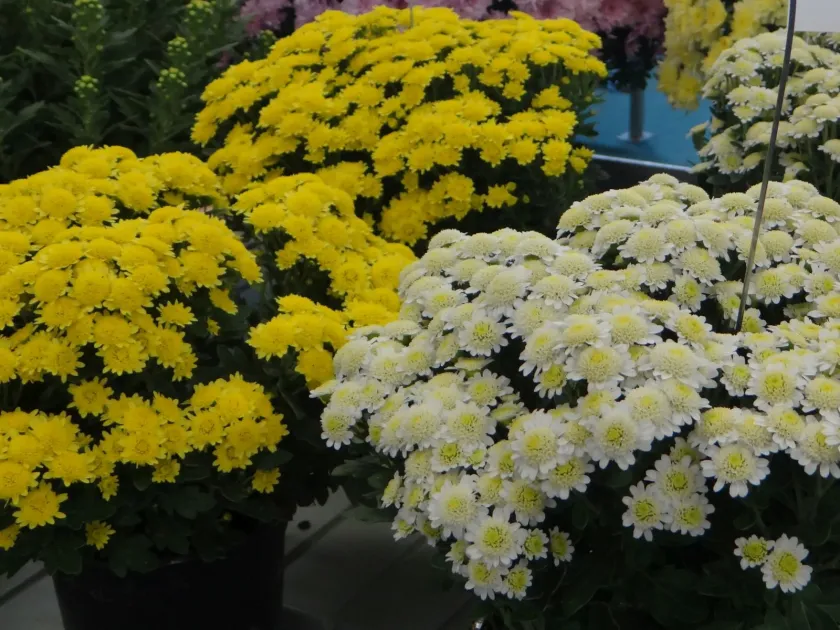
Description
Sowing dates
Ajanthemum belongs to the Asteraceae family. Sowing seeds of this crop is recommended in the spring when the soil warms up to 10–12 degrees Celsius, which ensures uniform germination.
For optimal plant development, seeds should be sown in rows with spacing of about 30–45 centimeters between them. The sowing depth should be no more than 1–2 centimeters, as the small seed material is sensitive to the layer of soil covering it.
In regions with a short growing season, it is advisable to use the seedling method, transplanting 30-day-old seedlings into open ground after the threat of late frosts has passed.
Watering after sowing is a critical step, as the top layer of soil drying out in the first 7–10 days can lead to the death of the seedlings.
The optimal planting density should be between 15 and 20 plants per square meter to ensure sufficient ventilation and light for each plant.
Growing requirements
The crop prefers well-lit areas with light, fertile sandy or loamy soils that have a neutral or slightly alkaline pH.
Ajanthemum demonstrates moderate drought resistance; however, it requires regular moisture during the active stem growth phase to achieve high-quality yields.
An important agrotechnical requirement is to prevent water stagnation on the site, as the plant's root system is extremely sensitive to waterlogging and may be prone to fungal infections.
Soil preparation requires the application of organic fertilizers in the fall and basic mineral complexes with a prevalence of phosphorus and potassium immediately before sowing.
The plant grows successfully at average temperatures between 18 and 24 degrees Celsius, tolerating short-term fluctuations without a significant decrease in biological activity.
Main diseases and pests
The main threats to Ajanthemum are related to the development of root rots when the hydrological regime is disturbed, which requires strict control of soil moisture.
During the growing season, plantings can be infested by aphids, which suck cell sap from young leaves, weakening the development of the plant as a whole.
For leaf-eating pests, monitoring and the use of biological insecticides in the evening are recommended to preserve the population of pollinators.
Powdery mildew can appear as a white coating on leaves during high humidity and dense planting, which requires timely thinning of the rows.
Disease prevention includes crop rotation and not returning the crop to the same location for at least 3–4 years to avoid the accumulation of pathogens in the soil.