
Agrostis tenerrima
Agrostis tenerrima
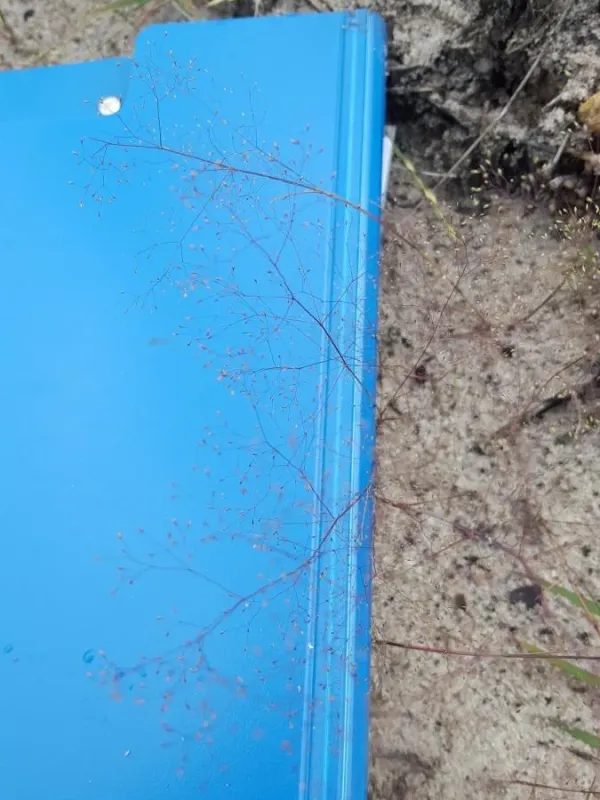
Description
Sowing dates
Agrostis tenerrima is a perennial grass species belonging to the Poaceae family, known for its adaptability to specific Mediterranean ecological niches. This grass is primarily found in rocky, well-drained environments where it maintains soil stability through its extensive root system.
From an agricultural standpoint, this species is valued for its low-maintenance growth habit. It forms tufted clumps that provide a delicate yet resilient ground cover, making it a subject of interest for conservation and pasture restoration projects.
The biological cycle of the plant starts in early spring, utilizing residual moisture for rapid development of vegetative shoots. The inflorescence, a delicate panicle, emerges as the season progresses, providing seeds for future propagation.
Sowing should be performed in well-prepared, fine-textured soil. Because of the small size of the seeds, shallow sowing depth is critical to ensure proper germination and subsequent emergence of the seedlings.
Cultivation of this species requires careful consideration of the site's environmental conditions. It is not intended for high-input industrial agriculture, but rather for specialized uses where soil conditions limit the survival of more demanding forage grasses.
Growing requirements
The plant thrives in full sunlight and is moderately tolerant of partial shade, though its density increases significantly under optimal light levels. It is highly adapted to nutrient-poor soils, including sandy and stony types.
Soil drainage is perhaps the most important requirement for successful growth. Agrostis tenerrima is susceptible to root rot if placed in waterlogged conditions, so topography and soil structure must be assessed prior to planting.
Temperature range tolerance includes mild winters and hot summers, which are characteristic of its native habitat. It shows impressive resilience to heat stress, temporarily entering a dormant state to survive extended dry periods.
Fertilization should be kept minimal. Excessive nitrogen application tends to weaken the structural integrity of the stems, leading to lodging and reduced plant longevity. A balanced approach with micronutrients is preferred.
The species prefers neutral soil pH levels. While it can withstand slight deviations, strongly acidic or alkaline environments may limit nutrient uptake, thereby hindering overall vigor and health of the grass stand.
Main diseases and pests
Disease pressure is generally low unless the plants are subjected to prolonged periods of high humidity. Fungal issues, such as rusts and mildews, are the most common pathogens that affect leaf tissue and reduce photosynthetic activity.
Pest management focuses primarily on controlling sucking insects, such as aphids, which can vector viruses. Monitoring the population levels is essential to prevent large-scale damage during the peak growing season.
Proper field hygiene is a fundamental strategy for disease mitigation. Removing plant debris from previous seasons reduces the inoculum potential and prevents the overwintering of pests and fungi within the field.
In cases of severe infestation, targeted applications of organic-compliant treatments are recommended. However, preventive measures like maintaining optimal stand density usually negate the need for intensive chemical use.
Soil-borne pests like wireworms pose a threat to the root system, particularly in newly established fields. Crop rotation is the most effective way to break the life cycle of these persistent soil pests.