
Alchemilla acutidens
Alchemilla acutidens
Description
Growing requirements
Alchemilla acutidens, commonly known as a type of lady's mantle, belongs to the diverse Rosaceae family. It is a perennial herbaceous plant recognized for its distinctive foliage featuring sharply toothed edges and its ecological adaptation to damp, temperate environments across Europe and mountainous regions.
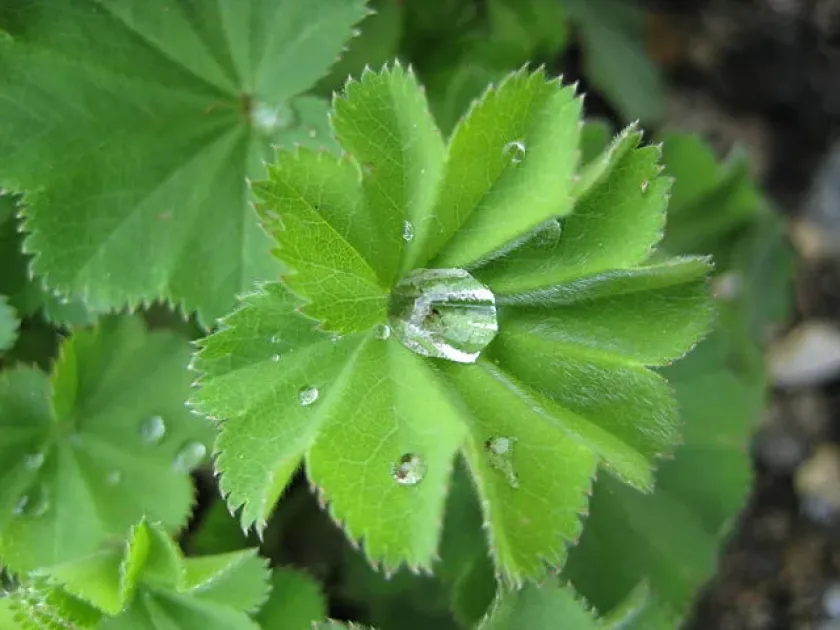
Botanically, this species develops a robust root system and a basal rosette of leaves. These leaves have a unique structure that collects water droplets, adding to both its ornamental appeal and its botanical classification features. The inflorescences consist of small, greenish-yellow flowers carried on delicate stalks.
The crop requires fertile, well-drained loamy soils to reach its full vegetative potential. It thrives in locations with consistent moisture levels, though it is intolerant of waterlogged soil, which can rapidly lead to root decay and significant loss of plantation density during the growing season.
Climatically, Alchemilla acutidens prefers cool to moderate temperatures and thrives in partial shade. Excessive exposure to harsh sunlight can lead to leaf burn and reduced yields, so selecting a site with natural protection or consistent canopy cover is a standard agricultural recommendation.
Agrotechnical maintenance includes seasonal weeding and soil aeration to promote root development. While the species is relatively hardy, applying organic compost in early spring provides the necessary nutrients for vigorous foliage production, which is the primary economic component of the plant.
Main diseases and pests
The primary pathological threats to this culture are fungal infections, specifically powdery mildew, which can spread rapidly under high humidity and poor airflow conditions. Proper spacing between plants is the most effective preventative measure against such outbreaks.
Insect pests include leaf miners and aphids, which can compromise the quality of the harvest. Integrated pest management strategies, emphasizing the use of beneficial insects and resistant cultivars, are recommended to maintain the long-term health of the field without relying on heavy synthetic pesticides.
Harvesting
Harvesting is strictly timed to the peak flowering phase to ensure the highest concentration of tannins and flavonoids within the plant tissue. Using precision tools to harvest the above-ground biomass ensures the preservation of the root crown, allowing for potential regrowth in subsequent seasons.
Processing the harvested material requires immediate drying in a controlled environment. Keeping the drying temperature stable and below 45 degrees Celsius is crucial to preventing the degradation of active chemical compounds, thereby ensuring the final product meets high pharmaceutical or herbal standards.