
Akania hillii
Akania hillii
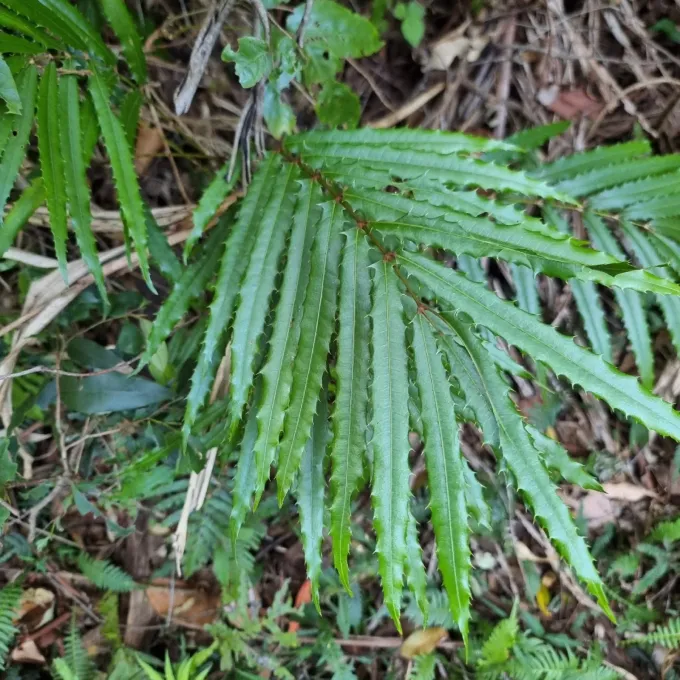
Description
Sowing dates
Propagation of Akania hillii in its natural habitat occurs through seeds. In cultivation, seeds require pre-sowing scarification and should be planted immediately after collection, as they lose viability rapidly.
The optimal time for sowing in nurseries is spring, once stable warm temperatures are established. The germination substrate must be light, rich in organic matter, and provide excellent drainage.
Seedlings emerge unevenly, and the process can take from several weeks to many months. Maintaining consistent soil moisture is crucial, while strictly avoiding waterlogging, which is fatal to young sprouts.
Young plants exhibit slow growth rates, so transplanting to a permanent location is typically performed no earlier than two years after germination. Root-promoting supplements are often used to encourage healthy establishment.
The species is extremely sensitive to root disturbance, making container cultivation with subsequent repotting into larger tubs or pots the preferred method of management.
Growing requirements
Akania hillii is the sole species in the Akaniaceae family. It is an evergreen tree that reaches up to 10 meters in height and is native to the subtropical rainforests of eastern Australia.
The plant prefers sites sheltered from direct sunlight, especially during its juvenile phase. The ideal growing environment consists of semi-shaded locations with high air humidity and protection from drying winds.
Soils for successful cultivation must be rich in humus, slightly acidic or neutral in pH. Excellent water permeability is an absolute necessity, as the plant does not tolerate waterlogged soil conditions.
Climate requirements include the absence of freezing temperatures. The tree is highly susceptible to frost, necessitating cultivation in greenhouses or winter gardens in temperate climates.
Regular irrigation is a key factor, particularly during the hot summer months. The plant responds well to applications of complex organic fertilizers during the active growing season in spring and summer.
Yield
The economic use of Akania hillii is limited primarily to ornamental horticulture and landscape design in regions with suitable mild climates.
The tree is prized for its high aesthetic appeal, defined by its glossy dark green pinnate foliage and striking pink or white flowers arranged in racemes.
Despite the presence of edible fruits, which have a nut-like flavor, the species lacks commercial significance as an agricultural crop due to the long period required to reach maturity.
The timber is characterized by high density; however, due to the rarity of the species and the protected status of wild populations, commercial logging is strictly prohibited.
The main "yield" consists of seeds, which are utilized by rare plant collectors and specialized botanical gardens for species propagation and genetic conservation purposes.
Main diseases and pests
The primary threats to the plant in cultivation are root rots, which occur due to improper irrigation schedules and poor drainage within the substrate.
When air humidity is low, pests such as spider mites and scale insects can colonize the leaves, potentially exhausting the young plant quite rapidly.
To combat fungal pathogens, strict adherence to horticultural practices is required, along with the application of fungicides at the first sign of root collar or leaf damage.
Mealybugs are also common intruders in greenhouses hosting Akania. Preventive measures include regular inspection of the underside of leaves and treatment with biological insecticides.
- Leaf spot infections caused by poor air circulation.
- Root system damage caused by soil-dwelling larvae.
- Risk of bacterial infections resulting from mechanical damage to the bark.