
Strumpf elderberry
Sambucus x strumpfii Gutte.
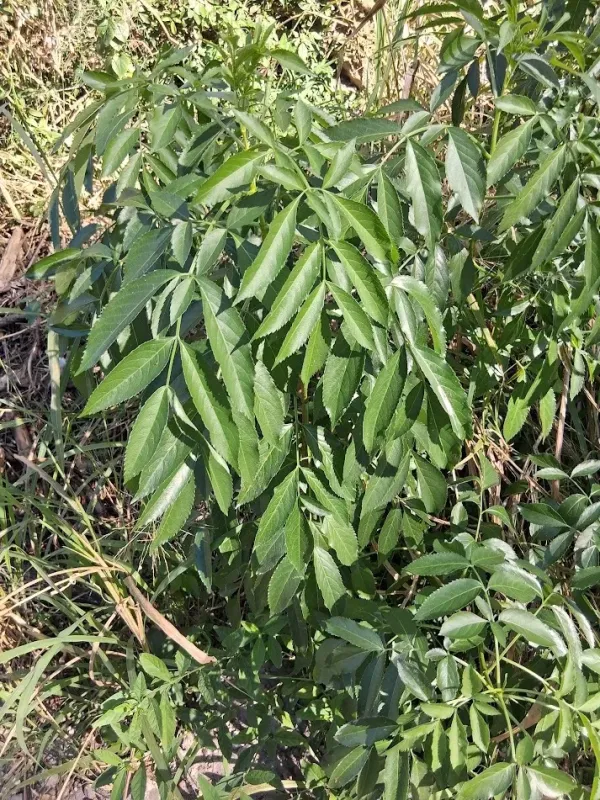
Description
Sowing dates
The propagation of Strumpf elderberry is primarily achieved through vegetative means, specifically using hardwood cuttings. Harvesting cuttings during the dormant season ensures optimal establishment when planted in the following spring.
Transplanting should occur in early spring once the soil has sufficiently warmed up. This timing is critical for the development of a resilient root system capable of supporting the plant during the summer growing season.
Selecting the right location is essential; the soil must have excellent drainage to prevent waterlogging, which the plant is highly sensitive to. Spacing should be maintained at 2–3 meters between plants to ensure proper aeration.
For research or breeding purposes involving seed propagation, cold stratification is mandatory. Subjecting seeds to low temperatures for several months mimics natural conditions, breaking dormancy effectively.
Young plants require consistent monitoring during their first two years. Maintaining adequate moisture levels around the roots during the establishment phase is vital for long-term health.
Growing requirements
Strumpf elderberry thrives in sunny or partially shaded environments. Adequate light exposure is a key factor in maximizing the concentration of anthocyanins and other bioactive compounds in the fruit.
The species prefers fertile, loamy soils with a near-neutral pH. Rich organic content significantly boosts vegetative growth and overall plant vigor throughout the vegetative cycle.
Fertilization management should follow a seasonal pattern. Applying nitrogen-based fertilizers in early spring supports leaf and stem growth, while phosphorus and potassium are essential in autumn.
Pruning is a non-negotiable part of the agronomic routine. It is necessary to remove dead wood and thin out the canopy to prevent internal humidity, which often leads to fungal infections.
While the plant shows some drought tolerance, supplemental irrigation during critical growth stages ensures a higher quality yield and prevents the fruit from shriveling prematurely.
Yield
The yield of Strumpf elderberry is heavily dependent on the plant's age and the density of the canopy. Typically, mature bushes start producing reliable yields after 4–6 years of cultivation.
Regular rejuvenation pruning is the primary method to maintain high productivity. Removing older stems encourages the growth of new shoots, which are significantly more fruitful than aging branches.
Cross-pollination between different elderberry varieties can improve fruit set. Implementing orchard design that allows for efficient pollination significantly increases the final tonnage per hectare.
Mulching the base of the bushes helps retain soil moisture and suppresses weeds, reducing competition for resources. This practice is especially beneficial in dry climates or during peak summer months.
Effective nutrient management ensures that the plant has enough energy to sustain the heavy fruit load during the final weeks of ripening, directly impacting the quality of the harvest.
Main diseases and pests
Common pests affecting this crop include aphids, spider mites, and elderberry moths. Early detection through regular field scouting is the best way to prevent widespread infestation.
Powdery mildew is the most frequent fungal disease, often triggered by poor ventilation in the canopy. Fungicide applications and proper pruning are the primary methods of control.
Root rot, often caused by waterlogged soil, can be fatal. Ensuring good soil structure and implementing proper irrigation protocols are the best preventative measures against this threat.
Avian pests can cause significant crop losses if left unmanaged. Using netting or acoustic deterrents during the ripening period is a common practice in commercial elderberry orchards.
Bark damage can introduce pathogens into the vascular system of the shrub. Maintaining clean orchard practices and preventing mechanical damage during maintenance is crucial for plant longevity.
Harvesting
Harvesting should only take place when the fruit is fully mature and shows a deep, uniform color. The quality of the final product is strictly tied to the maturity level at the time of harvest.
The berries should be harvested in clusters rather than individually. This protects the delicate fruit structure and prevents rapid leakage of juices, which would lead to rapid deterioration.
It is vital to schedule harvesting during dry weather. Moisture on the berries significantly shortens their shelf life and promotes the development of molds during the post-harvest period.
Cold chain management is essential. The harvested fruit should be moved to cooling facilities immediately to slow down fermentation processes, as the berries have a very high metabolic rate.
The processed fruit is highly valued for its medicinal properties and as a natural source of food coloring, making it a sustainable and sought-after agricultural product in modern markets.