
Fragrant viburnum
Viburnum farreri
Description
Growing requirements
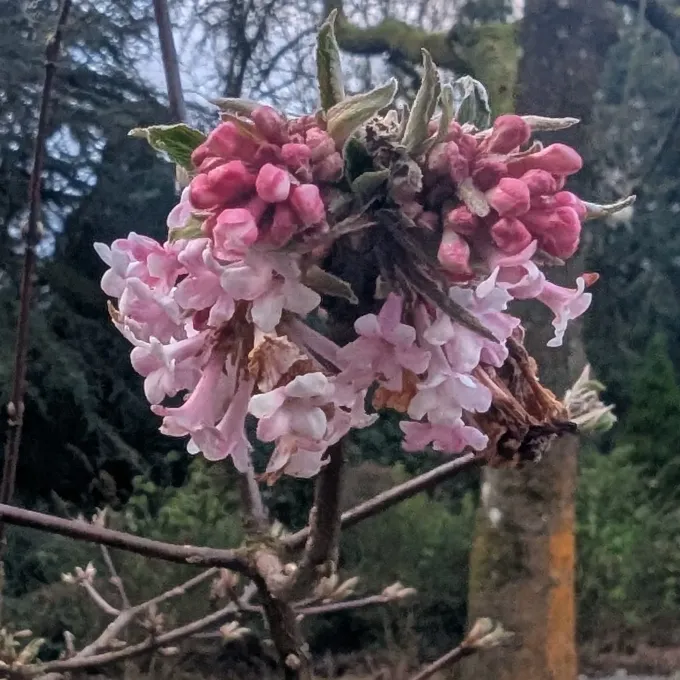
Fragrant viburnum (Viburnum farreri) is a deciduous shrub species belonging to the Adoxaceae family. Native to Northern China, it has become a cherished ornamental plant worldwide for its exceptionally early and fragrant flowering period.
The crop thrives in sunny or semi-shaded locations protected from cold, harsh winds. It requires fertile, moisture-retentive, and well-drained soil to achieve optimal growth and prolific bloom production in the spring.
This shrub demonstrates moderate cold hardiness, although it may require protection from frost in colder regions to prevent damage to the delicate flower buds. Proper site selection is crucial for long-term health.
Cultural practices include regular irrigation during dry spells to maintain consistent soil moisture. Mulching the base helps preserve moisture and suppress weeds, while seasonal pruning shapes the shrub and encourages vigor.
Fragrant viburnum is primarily used in landscaping as a specimen plant, in mixed shrub borders, or as a focal point for winter-interest gardens. Its aesthetic value is derived from both its flowers and its pleasant fragrance.
Main diseases and pests
The plant is susceptible to common fungal diseases, including powdery mildew and leaf spot. These issues are exacerbated by high humidity and poor air circulation within the shrub canopy during the growing season.
Insect pests, such as aphids and the viburnum leaf beetle, are the most frequent threats. These pests can rapidly damage foliage, detracting from the shrub's ornamental value and vigor if left unmanaged.
Preventive maintenance involves regular pruning to keep the center of the bush open, which improves airflow and reduces the risk of fungal infections. Clearing debris from beneath the shrub also helps minimize pathogen pressure.
Effective pest management involves early detection through regular monitoring and the use of appropriate systemic insecticides when necessary. Integrated pest management strategies are best for sustainable shrub health.
Maintaining balanced soil fertility through organic or mineral fertilization supports the plant's natural immune system, making it more resilient to the challenges posed by local pests and environmental pathogens.