
American elderberry
Sambucus canadensis L.
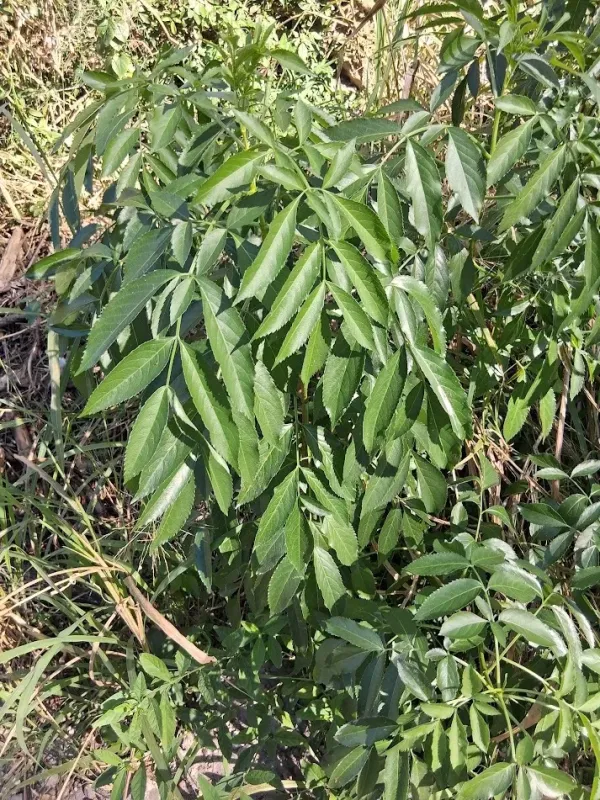
Description
Growing requirements
The American elderberry (Sambucus canadensis) is a deciduous shrub belonging to the Adoxaceae family. It is a highly versatile crop known for its rapid growth, ornamental value, and the nutritional properties of its berries.
Native to North America, this species thrives in diverse environmental conditions, though it naturally prefers moist, well-drained soils. In cultivation, it performs best in fertile loams with a slightly acidic to neutral pH balance.
Water management is critical for the success of this crop. While it can tolerate short periods of moisture, consistent irrigation during the fruit-set and berry-filling stages is essential to ensure maximum yield and berry quality.
Elderberry requires full sun to partial shade. Exposure to direct sunlight is generally preferred as it enhances flower production and, consequently, the number of fruit clusters per plant.
Cultural practices rely heavily on pruning. Because this species produces fruit on current-season wood, growers should employ heavy dormant-season pruning. Removing older, less productive canes stimulates the growth of vigorous new stems.
Main diseases and pests
The American elderberry is relatively robust but remains susceptible to certain pests and diseases. Powdery mildew is the most common fungal issue, particularly in humid climates with poor airflow around the foliage.
Aphids are the primary insect pest, often clustering on new shoots and flower heads. Monitoring for aphid populations early in the season is vital, as they can weaken the plant and transmit viral diseases.
Root rot can occur in soils with poor drainage. Implementing a proper field drainage system and avoiding over-application of nitrogen fertilizers are effective preventative measures against root system stress.
Weed control in the first two years of establishment is necessary to prevent competition for nutrients and moisture. Using organic mulches can suppress weed growth and help maintain stable soil temperature and moisture levels.
Integrated Pest Management (IPM) is recommended for elderberry farms. By encouraging beneficial predatory insects, such as ladybugs and lacewings, growers can significantly reduce the need for chemical intervention.
Harvesting
Harvesting usually occurs in late summer, typically between August and September. Berries should be harvested only when they have achieved a deep, uniform dark purple or black color, signaling peak sugar content.
The entire fruit cluster (cyme) is typically cut from the shrub. Harvesting this way is more efficient than picking individual berries and helps keep the fruit clusters intact for storage or immediate processing.
Post-harvest handling is critical because elderberries have a short shelf life. If not processed immediately, berries should be kept in cold storage or frozen to prevent rapid spoilage and fermentation.
For commercial production, berries are often de-stemmed using specialized mechanical equipment to increase productivity. These berries are then sold as a raw commodity or processed into juices, jellies, and pharmaceutical products.
Sustainable harvesting includes leaving a small portion of the crop for local wildlife, which helps manage the ecosystem balance within the orchard. Proper clean-up after harvest is also vital to prevent overwintering of pathogens.