
Red elderberry
Sambucus racemosa L.
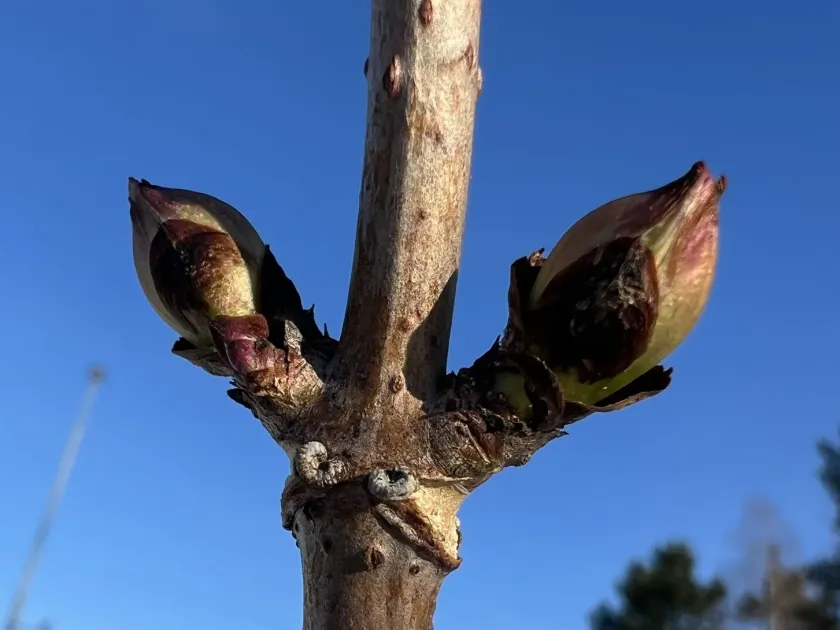
Description
Growing requirements
Red elderberry (Sambucus racemosa L.) is a perennial shrub belonging to the Adoxaceae family. It is widely distributed across the temperate regions of the Northern Hemisphere, known for its striking red berries and high ornamental value in landscaping.
The plant thrives in moist, well-drained, and nutrient-rich soils with a slightly acidic to neutral pH. While it exhibits good tolerance to partial shade, full sun exposure is recommended to enhance flower production and overall canopy density.
As a hardy species, it withstands low temperatures exceptionally well, making it suitable for various cold-climate agricultural projects. It requires consistent moisture, especially during the establishment phase and periods of summer drought.
Cultivation practices include regular pruning to maintain the desired shape and size, as the plant can become quite unruly if left unattended. It is an excellent choice for erosion control on slopes due to its robust and spreading root system.
The plant serves primarily ornamental purposes, acting as a habitat for wildlife. It is important to note that all parts of the plant, including the berries, contain compounds that require careful handling and processing if intended for non-decorative use.
Main diseases and pests
The primary pests affecting red elderberry include aphids and spider mites, which can cause leaf curling and yellowing. Integrated pest management, including the introduction of beneficial insects or targeted horticultural oil applications, is effective.
Fungal diseases such as powdery mildew are common in environments with poor air circulation or high humidity. Managing plant density through selective thinning of branches is the most effective preventative measure against these threats.