
Red elderberry
Sambucus racemosa L. subsp. pubens (Michx.) House
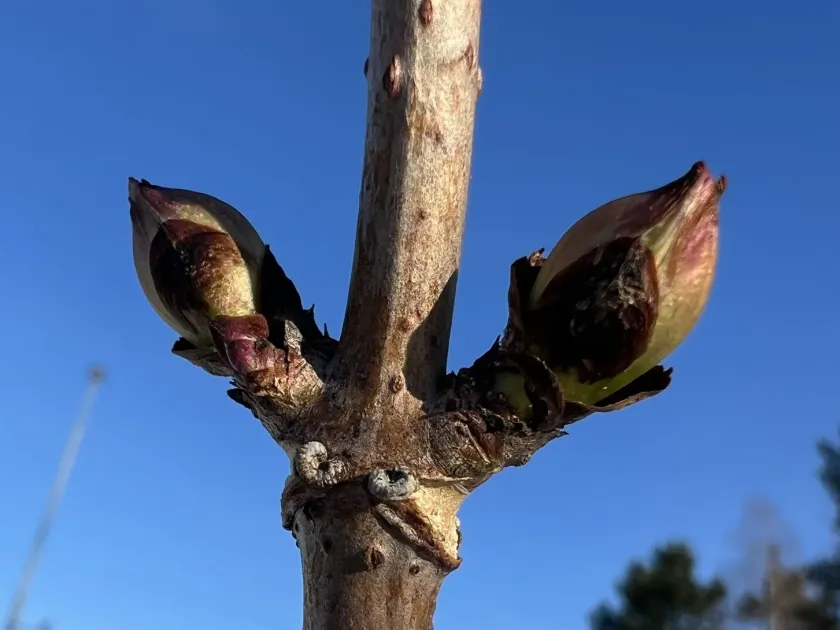
Description
Growing requirements
Red elderberry (Sambucus racemosa L. subsp. pubens) is a prominent shrub belonging to the Adoxaceae family. Native to the Northern Hemisphere, it is highly valued for its adaptability to diverse environmental conditions, spanning from cold temperate forests to mountainous regions.
The plant thrives in moist, well-drained, and nutrient-rich soils with a slightly acidic to neutral pH. While it exhibits significant shade tolerance, optimal berry production and vibrant foliage coloration are best achieved in locations with partial to full sunlight exposure.
Agronomic management includes regular pruning to maintain the shrub's vigor and desired shape. As the plant can spread quite vigorously, structural pruning is recommended during the dormant period to promote healthy regrowth and ensure structural integrity in the upcoming season.
Soil moisture maintenance is crucial during the initial growth stages and throughout dry spells. Applying organic mulch around the base of the plant helps retain soil moisture, suppress competitive weed growth, and enrich the substrate with essential nutrients over time.
Economically, red elderberry serves primarily as an ornamental specimen and a functional plant for erosion control and wildlife habitat enhancement. It is vital to note that raw fruits are toxic to humans and mammals; proper cooking is mandatory to neutralize the naturally occurring glycosides.
Main diseases and pests
Red elderberry is susceptible to common pests such as aphids and spider mites, which can cause significant stress to young plant tissues during hot, arid conditions. Integrated pest management strategies, including the use of neem oil or insecticidal soaps, are effective.
Fungal diseases like powdery mildew are common in high-humidity areas with poor air circulation. Implementing proper spacing during plantation establishment and maintaining clean, debris-free ground underneath the canopy significantly reduces the risk of fungal outbreaks.