
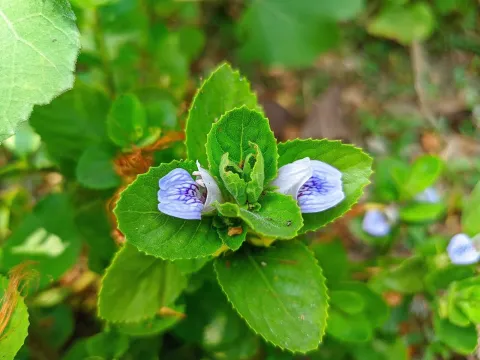
Ruellia difformis
Ruellia difformis
Sowing seeds of this culture is recommended at the beginning of the spring season when stable warm temperatures are established. The optimal time is March or April, allowing the plant to gain strength before the period of active flowering.
What the section contains
Ruellia difformis
To accelerate germination, it is recommended to pre-soak seeds in growth stimulants. Seedlings emerge when soil temperature is maintained at +22...+25 degrees Celsius, which is a critical factor for a successful start.
For industrial or greenhouse cultivation, seeds are sown in nutrient-rich substrates mixed with peat and perlite. Providing high-quality drainage is essential to prevent waterlogging and potential root system decay during the early stages of development.
The sowing depth should not exceed 0.5 centimeters, as the seeds require access to light to activate the germination process. Crops must be covered with plastic or glass until the first true leaves appear.
After thinning, seedlings are acclimated to outdoor or greenhouse conditions by gradually lowering the temperature. Following the sowing schedule ensures uniform planting material for subsequent agricultural use.
Ruellia difformis belongs to the Acanthaceae family and is a typical tropical flora representative requiring special attention to humidity. The plant prefers well-lit areas but does not tolerate exposure to direct midday sunlight, which can cause leaf scorch.
The culture has high requirements for soil quality and fertility. Ideal substrates are loose, humus-rich loams with a neutral or slightly acidic pH. Water stagnation is unacceptable, so installing high-quality drainage systems is mandatory on heavy soils.
Thermal conditions are decisive for a successful vegetative cycle. The optimal temperature range is +20...+28 degrees, whereas temperatures below +15 degrees slow down growth and can lead to a loss of decorativeness or plant death.
Air humidity plays a role as important as irrigation. In dry climates, the plant requires regular misting or irrigation systems, as low humidity levels trigger leaf curling and reduce flowering intensity.
To maintain active growth during the vegetation period, complex mineral fertilizers should be applied every two to three weeks. Special attention should be paid to micronutrients, which ensure vibrant foliage color and abundant flower bud formation.
The main threats to Ruellia difformis are sucking pests such as spider mites and whiteflies. In greenhouse conditions, their reproduction occurs rapidly, requiring constant monitoring of the undersides of the leaves.
With excessive watering, the plant is susceptible to fungal diseases, particularly root rots and powdery mildew. Upon detecting the first signs, it is necessary to immediately reduce watering and treat the culture with broad-spectrum fungicides.
Agrotechnical violations often lead to physiological chlorosis caused by nutrient imbalances or iron deficiency in the soil. Timely diagnostics and nutrition adjustments allow for the rapid mitigation of this problem.
To prevent the spread of diseases, it is important to maintain spatial isolation between rows and perform regular sanitary weeding. Weeds can serve as reservoirs for insect vectors of viral infections, for which there is no direct treatment.
Using biological insecticides is preferred if the crop is used in landscape design or grown in public spaces. This reduces pesticide loads and minimizes risks to beneficial entomofauna.