
Gymnostachyum
Gymnostachyum
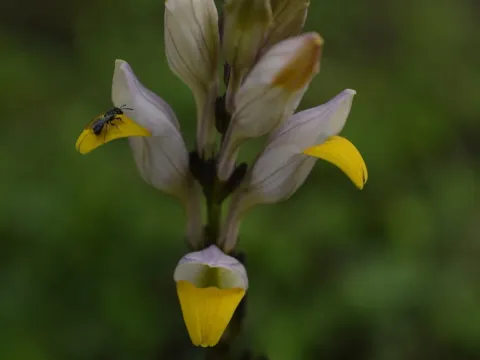
Gymnostachyum is a genus of perennial herbaceous plants belonging to the Acanthaceae family. These plants are native to the tropical regions of Southeast Asia, where they naturally thrive in shaded understory environments.
What the section contains
Gymnostachyum
The botanical structure of Gymnostachyum is characterized by its distinctive foliage, which is often prized by collectors for its patterns and texture. It typically grows as a low-spreading herb, making it well-suited for confined growing spaces.
Environmental requirements include a stable, warm climate with high humidity levels throughout the year. It does not tolerate frost, and even short exposure to cold drafts can cause significant damage to the plant tissue.
Optimal soil conditions require a well-draining, moisture-retentive potting mix rich in organic matter. A mixture of peat, perlite, and leaf mold is usually recommended to ensure the roots remain oxygenated while staying hydrated.
Regarding light, this genus prefers bright, indirect light or filtered shade. Direct sunlight should be avoided at all costs, as the delicate leaves are highly prone to scorching when exposed to intense UV rays.
Common pests associated with Gymnostachyum cultivation include spider mites, which thrive in environments where the humidity level has dropped below the required threshold for the plant.
Mealybugs are another frequent threat, often congregating in the leaf axils where they sap the plant's vitality and secrete sticky substances that promote sooty mold growth.
Root rot is the most significant physiological disorder, usually caused by overwatering or poor drainage systems that keep the root ball waterlogged for extended periods.
Fungal leaf spot diseases can develop if foliage remains wet while ambient temperatures are too low or if there is insufficient air circulation around the plant canopy.
Effective management strategies involve meticulous observation of leaf health, consistent maintenance of humidity, and the application of appropriate biological or chemical pest control measures.