
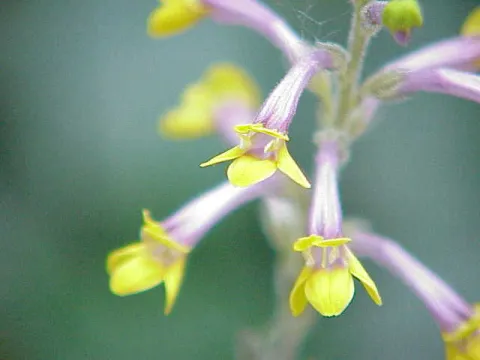
Gymnostachyum ceylanicum
Gymnostachyum ceylanicum
Gymnostachyum ceylanicum is a herbaceous perennial plant belonging to the Acanthaceae family. Originating from the tropical rainforests of Sri Lanka, it has evolved to thrive in low-light environments with high humidity levels.
What the section contains
Gymnostachyum ceylanicum
The plant features aesthetically pleasing foliage, often characterized by distinct veining patterns. Due to its tropical origins, the plant requires a stable microclimate to maintain its vegetative vigor and overall health in a cultivated setting.
Cultivation requires temperatures consistently between 18 and 26 degrees Celsius. Protection from direct sunlight is essential, as the leaves are highly susceptible to leaf scorch, which significantly diminishes the ornamental value of the specimen.
The ideal growing medium is a porous, well-draining substrate rich in organic matter. A mix of peat-based potting soil combined with perlite ensures proper aeration, which is critical for preventing root suffocation and subsequent decay.
Horticultural use is primarily focused on indoor landscaping, terrariums, and shade-loving ornamental gardening. It serves as an excellent ground cover in specialized botanical displays that mimic tropical forest floors.
Common pests affecting this culture include spider mites and mealybugs, which thrive in indoor environments with poor air circulation or low humidity levels.
Pathogenic threats are dominated by soil-borne fungal diseases triggered by overwatering and poor drainage, which necessitate strict adherence to irrigation schedules and the use of sterile growing media.