
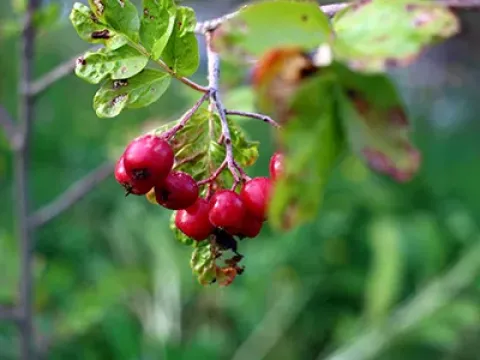
Crataegosorbus
Crataegosorbus
Crataegosorbus is a distinct intergeneric hybrid derived from the cross-breeding of Sorbus (Rowan) and Crataegus (Hawthorn). Belonging to the Rosaceae family, this crop represents a botanical blend of traits, resulting in a hardy tree or shrub highly valued for its unique properties.
What the section contains
Crataegosorbus
The morphology of the plant typically reflects a combination of its parentage, with foliage that exhibits characteristics of both genera. It is adapted to various ecological niches, showing remarkable resilience in temperate regions where environmental fluctuations occur frequently.
The plant requires well-drained, fertile soil to reach its full productive potential. It thrives best in locations with full sun exposure, which ensures adequate development of fruit sugars and proper hardening of woody tissue before the onset of winter temperatures.
Soil pH should ideally be neutral to slightly acidic. Ensuring good soil aeration is essential, as the root system of Crataegosorbus can be prone to rot if subjected to waterlogged conditions for extended periods during the early stages of growth.
Standard agronomic practices include systematic pruning to maintain an open canopy. This practice is crucial for disease prevention and ensuring that sunlight reaches the inner fruit-bearing branches, which directly influences the consistency of annual yields.
Crataegosorbus is primarily utilized for its highly nutritious fruit, which is rich in pectin, antioxidants, and various vitamins. The fruit is commonly processed into preserves, jellies, and dietary supplements, reflecting its growing popularity in functional food markets.
Productivity is highly influenced by clone selection and the quality of maintenance. When optimized, the yield is consistent, providing a reliable source of fruit that bridges the gap between wild foraging and standard orchard fruit production.
The primary threats to Crataegosorbus health include fungal diseases such as powdery mildew and fire blight. Monitoring and prophylactic application of appropriate treatments are necessary to prevent severe damage to the tree's health and yield potential.
Common pests include aphids and various types of moth larvae. Implementing integrated pest management (IPM) strategies, which prioritize biological control and environmental monitoring, helps in maintaining healthy crops while reducing reliance on intensive chemical interventions.
Harvesting is performed when the fruit reaches physiological maturity, indicated by the development of its final color and optimal sugar content. Gentle handling during the harvest process is critical to ensure that the fruit retains its quality and shelf life.