
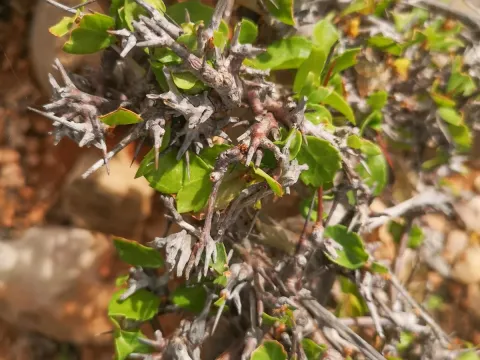
Commiphora kua
Commiphora kua
Commiphora kua belongs to the Burseraceae family. This shrub-like or tree-like plant naturally occurs in the arid regions of the Horn of Africa, predominantly in Ethiopia, Somalia, and the Arabian Peninsula.
What the section contains
Commiphora kua
This crop is characterized by pronounced xerophytic traits. It is perfectly adapted to hot and dry climatic conditions, surviving by storing moisture in its fleshy, often succulent trunks and branches.
The soil requirements for the plant include well-drained, stony, or sandy substrates with low organic content. It does not tolerate waterlogging, which quickly leads to root rot and the death of the plant.
Agrotechnically, the crop requires intense sunlight. The temperature regime must remain consistently high throughout the growing season; even short-term exposure to sub-zero temperatures is a critical risk factor.
The economic use of Commiphora kua focuses on harvesting valuable resins secreted when the bark is damaged. These resins are traditionally used in perfumery, medicine, and incense production, making the plant a target of commercial interest in its historical range.
The primary threats to Commiphora kua plantations are fungal diseases of the root system, caused by excessive watering or high humidity levels.
Pests specific to this species include various types of coccids and scale insects, which parasitize young shoots, sucking sap and inhibiting the overall development of the plant.
Xylophagous insects pose a significant danger to mature trees by damaging the wood and disrupting internal sap flow processes, often leading to the premature drying of individual branches.
The anthropogenic factor is also a threat: uncontrolled resin tapping without adhering to rest periods weakens the tree, making it susceptible to secondary infections.
Under industrial cultivation conditions, it is crucial to perform preventive check-ups of the plantings and maintain an optimal balance of trace elements to enhance the crop's natural immunity.