
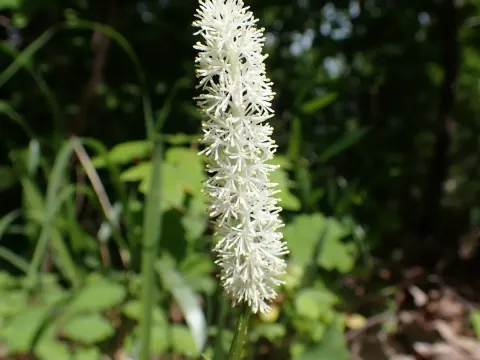
Chionographis
Chionographis
Chionographis is a rare genus of perennial herbaceous plants belonging to the family Melanthiaceae. Native to the forest regions of East Asia, including Japan and the Korean Peninsula, these plants are well-adapted to humid, temperate woodland environments.
What the section contains
Chionographis
For successful cultivation, the species requires conditions that mimic its natural habitat. The ideal substrate is loose, humus-rich soil with excellent drainage that maintains consistent moisture, as the root system is highly sensitive to desiccation during the growing season.
Partial shade is essential for the healthy growth of Chionographis, typically provided by the canopy of trees or large shrubs. Direct exposure to intense sunlight can scorch the delicate foliage and inhibit the plant's development, making site selection a critical factor for success.
In regions with harsh winters, providing a layer of organic mulch such as pine needles or leaf mold is recommended. This practice not only protects the crown and roots from frost heave but also maintains the slightly acidic soil pH necessary for the plant's long-term health.
Water management is crucial; the soil should remain moist but never waterlogged. Regular, careful irrigation during dry spells ensures the plant remains vigorous, while poor drainage can lead to rapid decay of the rhizomatous root system.
Fungal pathogens represent the most significant threat to Chionographis in garden settings, particularly in environments with poor air circulation or excessive soil moisture. Diseases such as grey mold and various root rots can quickly compromise plant integrity if conditions remain stagnant.
Gastropod pests, including slugs and snails, are a major nuisance, often feeding on the succulent young growth and emerging flower spikes in spring. Protective measures, such as barriers or traps, are necessary to prevent extensive damage during the vulnerable early growth stages.
Routine monitoring is essential to detect signs of stress or infestation before they become widespread. Prompt removal of decaying leaves or infected debris helps mitigate the risk of pathogen buildup in the immediate growing area.
Maintaining adequate space between plants is vital to ensure proper airflow, which prevents the humidity levels from rising too high around the foliage. Good ventilation is a primary defense mechanism against both fungal outbreaks and certain garden insects.
Integrated pest management strategies, emphasizing cultural practices over chemical interventions, are recommended. Keeping the planting site clean and well-drained fosters a healthier environment that naturally discourages the colonisation of the plant by harmful pests.