
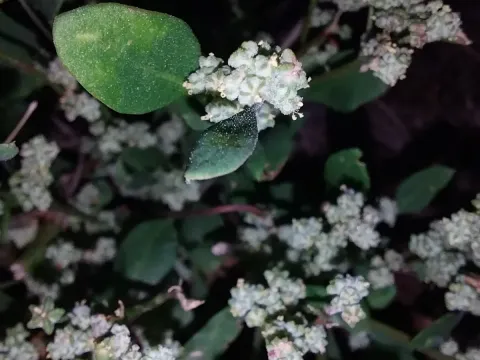
Chenopodium pedunculare
Chenopodium pedunculare
Chenopodium pedunculare is an annual herbaceous plant belonging to the Amaranthaceae family. It is an emerging crop known for its resilience and adaptability in various temperate agricultural settings.
What the section contains
Chenopodium pedunculare
The sowing season typically begins in early spring when the soil temperature consistently reaches 8–10 degrees Celsius. Achieving correct soil temperature ensures high germination rates and robust seedling establishment.
The recommended row spacing is 30–45 cm to optimize nutrient uptake and sunlight penetration. This spacing also facilitates mechanical weed control, which is essential for maximizing crop yield.
Seeds should be planted at a depth of 1–2 cm. Precise planting depth is crucial, as seeds of this size are sensitive to burying too deep, which can delay or prevent successful emergence.
Post-emergence management involves monitoring for population density. If the crop is sown too densely, thinning may be necessary to ensure that each plant has enough space to develop fully.
This crop thrives in well-lit areas and requires moderate climatic conditions. It exhibits good tolerance to varying temperatures, making it a viable candidate for diverse geographical locations.
Soil quality significantly impacts growth. The plant prefers fertile, loamy soils with a neutral pH level. Proper soil preparation before planting is necessary to avoid compaction and improve drainage.
Adequate moisture is required, especially during the flowering and seed-filling stages. While the plant is somewhat drought-tolerant, consistent irrigation can significantly boost the final biomass and seed production.
Balanced fertilization, particularly the application of nitrogenous inputs, helps in establishing strong vegetative growth. However, over-fertilization should be avoided to prevent excessive green growth at the expense of seeds.
Regular weeding and soil aeration in the inter-row spaces are vital. These cultural practices keep the environment clean and prevent nutrient loss to invasive weed species throughout the growing season.
Common pests include aphids and leaf-eating beetles. Early detection and the application of integrated pest management strategies are essential to protect the crop from significant damage during the vegetative stage.
Fungal diseases like root rot and mildew represent the primary threats, especially when environmental conditions include high humidity and poor airflow. Managing canopy density helps in mitigating these risks.
Crop rotation is a fundamental practice to prevent the buildup of soil-borne pathogens. Rotating with non-Amaranthaceae crops every few years can effectively break the infection cycle of most pests.
Sanitation practices, such as removing crop residues after harvest, are critical. This practice prevents pathogens and insect eggs from overwintering and re-infecting the field in the following season.
Using certified, disease-free seed is the first line of defense. Proper treatment of the seed before sowing can help guard against early-season pathogens that threaten the germination of the crop.