
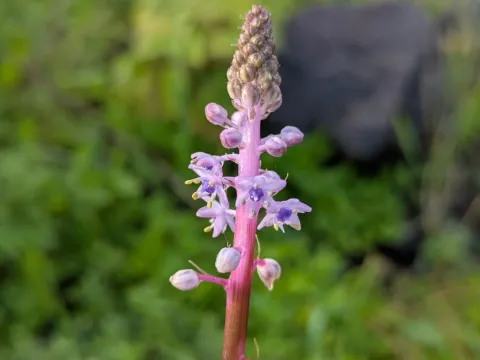
Chionoscilla
Chionoscilla
Chionoscilla is an intergeneric hybrid resulting from the cross-breeding of two genera within the Asparagaceae family: Chionodoxa and Scilla. This plant combines the aesthetic qualities of both parents, resulting in charming early-spring blossoms that are highly prized by collectors.
What the section contains
Chionoscilla
The best time to plant Chionoscilla bulbs is during the late summer or early autumn, typically throughout September. Early planting is crucial as it allows the root system to establish itself properly before the ground freezes, ensuring vigorous growth in the coming spring.
Bulbs should be planted at a depth of approximately 6 to 10 centimeters, depending on the soil structure and bulb size. Adding a layer of grit or sand at the bottom of the hole improves drainage and protects the bulb base from potential rot.
For an optimal aesthetic effect, bulbs should be spaced about 10 to 12 centimeters apart. This spacing prevents overcrowding while creating a dense, lush carpet of flowers that naturalizes well in gardens over several years.
Propagation is primarily vegetative, through the formation of offsets (bulblets) around the mother bulb. Gardeners should plan to divide and replant these clusters every 3 to 4 years to maintain plant vigor and encourage consistent flowering.
Chionoscilla thrives in positions ranging from full sun to partial shade, making it a versatile choice for woodland-style gardens or under deciduous trees. The spring sunlight is vital for foliage development before the trees leaf out fully.
The ideal soil is loose, well-draining, and rich in organic matter. While the plant is not overly demanding, it will not tolerate waterlogged conditions, which are particularly detrimental during the dormant winter months.
The soil should have a neutral to slightly alkaline pH. If the soil is excessively acidic, incorporating small amounts of garden lime or wood ash can help improve the growing environment for the bulbs.
This hybrid is notably hardy and withstands cold winter temperatures without the need for additional protective mulch in most temperate climates. It is well-adapted to surviving frosty periods, emerging early as soon as the ground thaws.
Maintenance is straightforward: remove weeds periodically and provide a light application of balanced fertilizer early in the spring. It is essential to allow the foliage to yellow and wither naturally after flowering to facilitate nutrient storage in the bulbs.
The most significant threat to Chionoscilla is fungal rot, which often occurs due to poor drainage or excessive soil moisture. Keeping the planting area well-drained is the most effective preventative strategy against these infections.
Pests such as bulb mites or onion flies can occasionally infest the bulbs. Pre-planting treatments with mild fungicides or ensuring the plant is in healthy, airy conditions can significantly reduce the risk of pest outbreaks.
Small rodents like voles can be a problem in some gardens, as they may consume the bulbs during winter. Planting the bulbs in wire mesh baskets or specialized plastic bulb containers is a reliable method of deterrence.
Botrytis or grey mold may develop during humid, cool springs. If any symptoms like brown spots or wilting appear, the affected foliage should be removed immediately to prevent the fungus from spreading to healthy tissues.
Ensuring the bulbs are properly cured and kept dry during storage before planting helps prevent common storage diseases. Always discard any bulbs that appear soft, discolored, or show visible signs of damage or decay.