
Chinese yam
Dioscorea oppositifolia
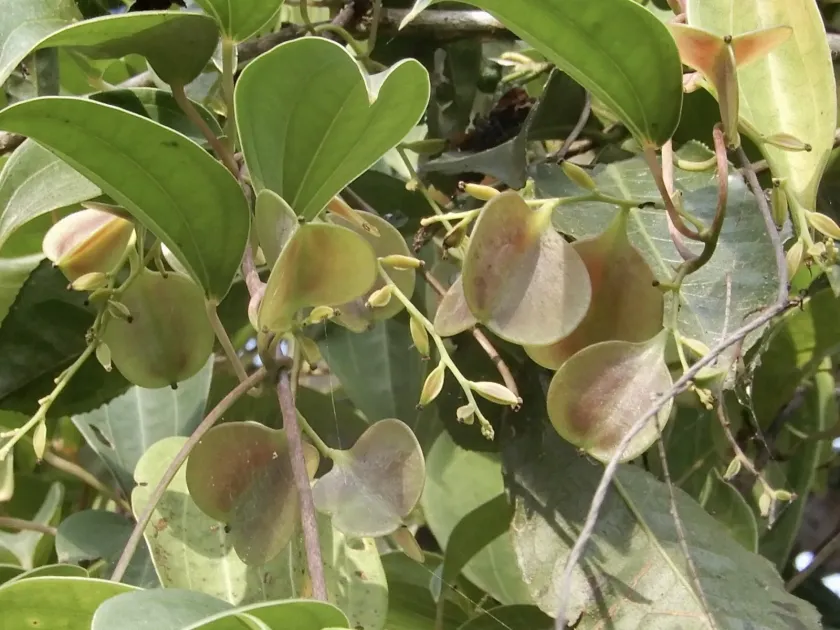
Description
Sowing dates
Planting Chinese yam (Dioscorea oppositifolia) is typically scheduled for early spring once the soil temperature consistently reaches 10–12°C. In regions with a shorter growing season, using pre-sprouted tubers or high-quality bulbil segments is recommended to ensure a head start.
Tubers are planted at a depth of 8–10 cm in well-prepared, loose soil. Maintaining adequate spacing, usually about 60–80 cm between rows, is crucial to allow the vigorous vines sufficient space to climb and for air circulation to prevent foliage diseases.
Since this crop is a perennial vine, setting up a trellis system immediately after planting is a fundamental requirement. The vine needs to climb vertically to maximize its photosynthetic capacity, which directly influences the quality and size of the harvested tubers.
The soil should be deeply tilled to at least 50–70 cm before planting. Because the tubers grow deep into the ground, compacted soil can cause root malformation, significantly reducing the market value of the harvest.
Early-season weed control is vital as young vines are susceptible to being outcompeted. Ensuring the area is clear of perennial weeds before planting significantly reduces maintenance efforts during the critical early development phase.
Growing requirements
Dioscorea oppositifolia is a warm-season crop that thrives in locations with long, frost-free periods. It is highly sensitive to cold, and its growth will stall significantly if temperatures drop below 15°C for extended periods.
The ideal soil type is deep, fertile, and well-drained sandy loam. Excessive moisture is the primary enemy of this crop; therefore, avoiding heavy clay soils or areas with a high water table is essential to prevent root rot and decay.
Full sun is required for optimal tuber development. While the plant can tolerate partial shade in extremely hot climates, consistent exposure to sunlight is necessary to support the energy requirements for growing long, nutrient-dense tubers.
Regular fertilization with organic matter or balanced NPK fertilizers improves tuber weight. Nitrogen supports the rapid growth of the vine, while phosphorus and potassium are critical for the healthy development of the underground storage organs.
Adequate water is needed during the peak growing season. However, once the plant is established, it becomes relatively hardy. Maintaining consistent moisture without saturation is the key to achieving uniform root growth.
Yield
The yield of Chinese yam depends heavily on the duration of the growing season and the structural depth of the soil. When managed correctly, tubers can reach impressive lengths and weights, often exceeding one kilogram per plant.
Professional growers focus on creating deep, loose soil profiles to maximize yield. When the roots are not restricted by compaction, they grow straight and smooth, which is highly preferred for medicinal and culinary processing.
Regular irrigation systems, such as drip lines, provide the best results by keeping the soil moisture stable. Fluctuations in moisture can cause the roots to develop secondary shoots or rough skins, which can decrease product quality.
Harvesting for maximum yield is usually done after the vine turns yellow and begins to senesce in the autumn. This ensures that the plant has translocated all available nutrients from the leaves down into the storage root.
Choosing high-quality, virus-free planting stock is the foundation for high yields. Consistent selection of vigorous bulbils helps maintain the health of the plantation over several years of production.
Main diseases and pests
Root rot caused by various soil-borne fungi is the most significant threat to Chinese yam. These diseases are almost always associated with poor drainage or over-irrigation, emphasizing the need for proper land preparation.
Nematodes are common pests that target the tubers, causing unsightly galls or distorted growth. Integrating crop rotation practices, specifically avoiding solanaceous crops in the same area, helps manage nematode populations.
Insects like aphids and spider mites can infest the foliage, particularly during dry, hot spells. Monitoring the underside of the leaves regularly allows for quick intervention using biopesticides if the infestation levels exceed economic thresholds.
Fungal diseases like anthracnose may affect the vines if humidity levels remain high for extended periods. Pruning the foliage to improve air movement and removing infected leaves can help manage the spread of the pathogen.
- Fusarium and Pythium root rots
- Root-knot nematodes
- Aphids and spider mites
- Foliar anthracnose
Harvesting
Harvesting occurs in late autumn when the vines have fully died back. This timing is essential for maximizing the starch and medicinal content within the roots, ensuring the highest quality product for the market.
Deep-trenching or using specialized mechanical harvesters is required to extract the long tubers without breakage. Since the roots are often fragile, careful handling during the extraction process is necessary to maintain their integrity.
After harvesting, the roots must be cleaned gently and allowed to cure in a dry, shaded, and well-ventilated location. Curing helps seal any minor skin abrasions, preventing storage diseases from taking hold.
For long-term storage, the tubers are kept in a cool, dark environment with temperatures maintained between 5–10°C. Covering the tubers with dry sand or peat moss helps regulate humidity and prevents the roots from shriveling.
Market-ready Chinese yam should be clean, firm, and free of blemishes. Proper storage techniques allow the product to be supplied to the market throughout the winter months, maintaining its nutritional value and flavor profile.