
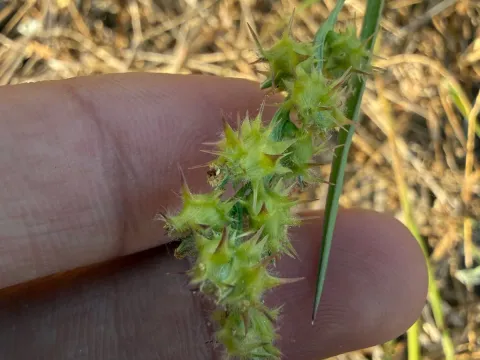
Cenchrus humilis
Cenchrus humilis
Cenchrus humilis is a perennial grass species belonging to the Poaceae family. Known for its compact growth habit, it plays a specific role in ecological restoration and potential forage utility in arid environments.
What the section contains
Cenchrus humilis
The plant originates from warm-climate regions where it has developed significant tolerance to high solar radiation. It thrives in open landscapes and requires consistent warmth, with an optimal growing temperature typically exceeding 20°C.
Regarding soil requirements, Cenchrus humilis prefers well-drained, sandy, or light-textured soils. It is notably resilient to poor nutritional conditions compared to more demanding cereal crops, making it a sustainable choice for marginal lands.
Agronomic practices for this species focus on site preparation to ensure proper drainage. While the species is drought-tolerant, supplemental irrigation during the seedling establishment phase significantly improves final stand density.
Management involves periodic grazing or mowing to stimulate regrowth and prevent the accumulation of lignified, low-quality stem tissue. Proper management ensures that the plant remains in a palatable and nutritious state for livestock.
The main phytopathological threats include fungal leaf spot diseases which may occur during periods of high humidity. Maintaining proper field hygiene and spacing between plants is essential to promote airflow and mitigate moisture-related diseases.
Insect pests such as leafhoppers and various grass-feeding larvae can cause damage to the photosynthetic surface of the plant. Monitoring and timely intervention with biological control agents are recommended to preserve plant vigor.