
Catasetum wendlingeri
Catasetum wendlingeri
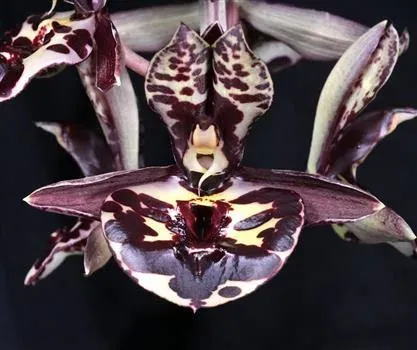
Description
Growing requirements
Catasetum wendlingeri is a unique epiphytic orchid belonging to the Orchidaceae family, known for its peculiar floral structure. In its natural habitat, this plant thrives in the tropical forests of Venezuela and Colombia, where the climate features distinct wet and dry seasons.
For successful cultivation of this crop, it is critical to provide high humidity levels, ideally maintained between 60% and 80%. The temperature range during the active growth period should stay between 22 and 28 degrees Celsius.
The plant prefers loose, breathable substrates consisting of pine bark, charcoal, and sphagnum moss. It is essential for the pot to have an effective drainage system to prevent water stagnation at the roots, which is fatal for this species.
The culture requires intense but diffused lighting. Direct sunlight can cause burns on the delicate leaves, so shading during midday hours is highly recommended. During the winter dormancy phase, light levels can be reduced, and temperatures slightly lowered.
Watering should be abundant during the active vegetative period when new shoots emerge. As autumn arrives and growth slows down, watering should be gradually decreased, almost stopping completely during the pronounced dormant phase.
Main diseases and pests
The most common threat to Catasetum wendlingeri is fungal infection, which often occurs due to excessive moisture and poor substrate aeration. Root rot caused by fungal pathogens leads to the rapid decline of the plant.
Among pests, the biggest threat comes from spider mites, which frequently multiply under conditions of low humidity. Additionally, the plant can be attacked by mealybugs, which hide in the leaf axils and at the base of the pseudobulbs.
Scale insects can also infest the stems and leaves, feeding on plant sap and severely inhibiting development. Regular visual inspection of the plant allows for early detection of pests and prompt remedial action.
Disease prevention consists of strict adherence to watering schedules and ensuring constant air circulation. The use of fungicides is recommended only when clear signs of fungal infection appear.
If pests are detected, manual removal is recommended, followed by the application of mild insecticides approved for indoor use, taking care to avoid chemical burns on the foliage.