
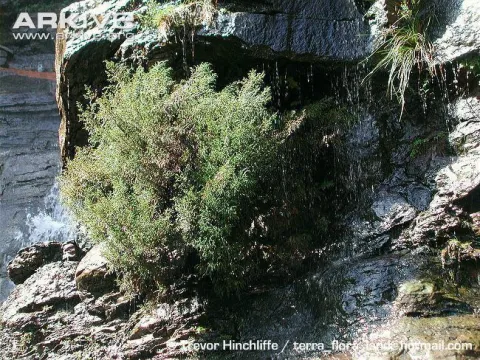
Microstrobos nipophilus
Microstrobos nipophilus
Microstrobos nipophilus is a rare coniferous species belonging to the Podocarpaceae family. It is native to the high-altitude alpine regions of Tasmania, where it survives in harsh, low-temperature environments.
What the section contains
Microstrobos nipophilus
The plant is characterized by its prostrate, slow-growing habit and dense branch structure. Its scale-like foliage is highly adapted to withstand freezing temperatures and strong winds typical of its natural habitat.
Cultivating this species requires a cool, stable, and humid environment. It thrives in locations that replicate its natural mountain niche, avoiding exposure to intense heat and direct, harsh sunlight during the summer months.
Soil requirements include a well-drained, acidic substrate with high organic content. Achieving an optimal balance of moisture without causing waterlogging is the most important factor in maintaining plant health.
This species is primarily utilized as a high-end ornamental plant for specialized rock gardens and alpine collections. Its unique aesthetic and slow growth rate make it a sought-after subject for enthusiast gardeners.
The primary threats to Microstrobos nipophilus include soil-borne pathogens and root rot caused by poor drainage. Excess moisture creates an ideal environment for fungi, which can be fatal to this sensitive plant.
Pest issues often involve spider mites during periods of low air humidity. Regular monitoring of the foliage and maintaining adequate moisture levels in the air are essential practices for effective integrated pest management.