
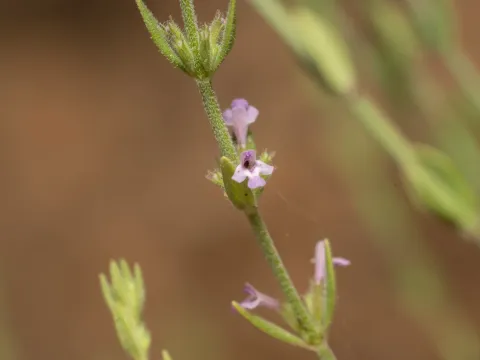
Micromeria myrtifolia
Micromeria myrtifolia
Micromeria myrtifolia, a member of the Lamiaceae family, is typically propagated through seeds or cuttings. Sowing should begin in late winter or early spring in a controlled indoor environment to establish strong seedlings before the growing season starts.
What the section contains
Micromeria myrtifolia
For outdoor sowing, wait until soil temperatures consistently reach 15-18 degrees Celsius. The seeds are very small and require light for germination, so they should be sown on the soil surface and only lightly pressed in rather than buried deeply.
Transplanting seedlings to the final garden location should occur after the risk of frost has passed. This period allows the plants to establish their root systems in the warming soil, ensuring better survival and growth rates throughout the summer.
Adequate spacing is crucial for healthy development; plants should be set 30-40 centimeters apart. This spacing prevents overcrowding, allows for better light penetration, and reduces the risk of diseases associated with poor air circulation.
For commercial cultivation, planting in rows with 50-centimeter intervals is recommended. This layout facilitates mechanical weeding and makes the harvesting process more efficient, allowing for better access to the mature herb biomass.
Native to the Mediterranean region, this plant thrives in full sun. It requires a sunny site that provides at least six to eight hours of direct light daily, as high light intensity is essential for producing high concentrations of essential oils.
Well-draining, calcareous, or stony soils are ideal for Micromeria myrtifolia. The plant is highly sensitive to waterlogged conditions, which can quickly lead to root rot; therefore, selecting a site with excellent drainage is paramount.
While the plant is highly drought-tolerant, it benefits from moderate watering during the initial growth phase. Once established, it requires minimal irrigation, as excessive moisture can negatively impact the intensity of its fragrance and chemical profile.
The soil pH should ideally be neutral or slightly alkaline. In acidic environments, growth is stunted, and the plant may struggle; adding agricultural lime can help adjust the soil pH to the preferred range for this species.
In colder regions, the plant requires protection from harsh winter conditions. Applying a layer of mulch around the base or using protective covers can help insulate the roots and prevent frost damage during deep winter freezes.
Thanks to its natural aromatic properties, Micromeria myrtifolia is generally resistant to many common pests. However, it is susceptible to certain issues when growing conditions are not optimal, particularly regarding moisture levels.
Root rot is the most common threat, usually triggered by water-saturated soil. To mitigate this, growers should ensure proper soil drainage and avoid overwatering, especially in clay-heavy soils or during periods of excessive rainfall.
Powdery mildew may occur in stagnant, humid environments. This fungal disease presents as a white, powdery coating on the foliage and can reduce the overall health of the plant if left untreated for an extended period.
Aphids can occasionally infest tender new growth, especially in weakened plants. If an infestation occurs, it can often be managed using mild insecticidal soaps or by manually washing the foliage with a targeted water spray.
Effective crop management, including consistent rotation and ensuring proper ventilation between plants, is the best prevention. Avoid planting in areas previously occupied by other aromatic Lamiaceae to reduce pathogen buildup.
The harvest should take place when the plant is in full bloom, as the concentration of its essential oils is at its peak. Only the tender, healthy aerial parts of the stems should be cut to ensure high-quality material.
Harvesting is best done in the morning once the dew has evaporated but before the heat of the day becomes intense. This timing helps maintain the volatile components that give the plant its characteristic myrtle-like scent.
After harvesting, the stems should be bundled or spread out to dry in a cool, dark, and well-ventilated area. Direct sunlight must be avoided during the drying process to prevent the degradation of aromatic essential oils.
Once completely dry, the herb should be stored in airtight containers away from heat and light to maintain its potency. When properly stored, the dried leaves and flowers will retain their intense flavor and fragrance for a long time.
The plant is widely used as a culinary herb, a base for herbal teas, and in traditional medicine for its antiseptic and calming properties. Its versatility makes it a valuable addition to both spice gardens and medicinal herb collections.