
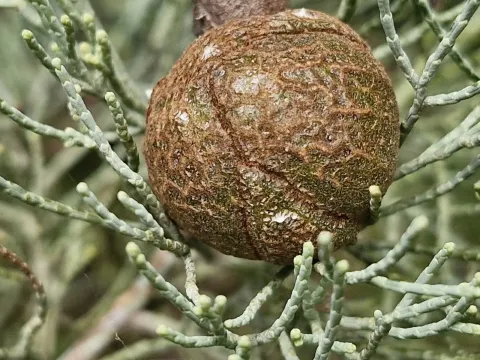
White cypress pine
Callitris glaucophylla
Propagation of Callitris glaucophylla in nurseries is typically performed through seeds. The seeds are sown in a well-draining substrate, requiring consistent moisture levels during the initial germination phase to ensure successful establishment.
What the section contains
White cypress pine
The optimal time for transplanting seedlings into the field is after the final spring frosts, when soil temperatures support active root growth. Fall planting may be suitable in milder climates to allow for rooting before the summer heat.
Initial care is vital, as young trees require protection from intense direct sunlight and competition from grasses. Maintaining a weed-free zone around the base of the saplings significantly increases survival rates.
The species exhibits strong natural regeneration potential under appropriate conditions, making it an excellent candidate for reforestation projects in arid regions. Direct seeding in prepared sites is a common professional practice.
High-quality seed collection from healthy parent trees is essential for achieving uniform germination and ensuring the long-term vigor of the future plantation.
The White cypress pine belongs to the Cupressaceae family and is native to the semi-arid woodlands of Australia. It is evolutionarily adapted to thrive in harsh environments with irregular rainfall and high temperature fluctuations.
This species demands excellent soil drainage and thrives in sandy or light-textured soils. It is highly intolerant of waterlogged conditions, which can lead to rapid root decay and mortality in mature specimens.
As a light-loving species, it requires full sun exposure to maintain its characteristic glaucous foliage color and symmetrical growth habit. Shaded environments often lead to stunted development and canopy thinning.
The tree demonstrates remarkable resilience in nutrient-poor soils, making it a low-input crop suitable for marginal lands where other forest species would struggle to survive without heavy fertilization.
Its deep taproot system allows it to access groundwater in semi-arid zones, reducing the necessity for supplemental irrigation once the tree has reached a certain stage of maturity.
The primary economic value of the White cypress pine lies in its high-quality timber. The wood is renowned for its durability, attractive grain, and natural resistance to termites and fungal decay, making it highly prized for construction.
The timber is widely used in furniture making, flooring, and exterior structural applications. It is easy to machine, polish, and finish, which contributes to its consistent demand in the global lumber market.
In addition to its timber value, the species serves as a vital component in shelterbelt and windbreak plantings. These configurations protect surrounding agricultural crops from wind erosion and improve microclimate conditions.
The tree's ornamental appeal makes it a popular choice for large-scale landscaping in warm climates, where its glaucous needles provide a striking aesthetic contrast against other green vegetation.
Essential oils derived from the foliage and heartwood are used in niche pharmaceutical and fragrance markets, leveraging the unique chemical profile of this resilient conifer.
Young plantations are highly vulnerable to browsing by wild animals, such as rabbits and feral ungulates. Effective protection through perimeter fencing is a critical requirement for successful stand establishment.
Root pathogens remain the most significant disease threat, typically triggered by poor drainage or over-irrigation. Proper site selection and water management are the primary defenses against these infections.
Various wood-boring insects may infest trees that are already under stress from drought or physical damage. Routine monitoring and the removal of compromised timber are essential for maintaining plantation health.
Wildfires pose a major risk to the longevity of these stands. While the species possesses some fire-adaptive traits, the maintenance of firebreaks is mandatory for protecting valuable timber resources.
Excessive use of synthetic fertilizers can disrupt the delicate balance of mycorrhizal fungi in the soil, potentially weakening the trees and increasing their susceptibility to secondary pests and diseases.