
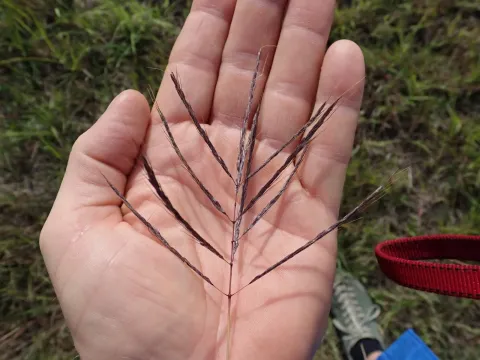
Bothriochloa intermedia
Bothriochloa intermedia
The sowing of Bothriochloa intermedia is typically performed in spring when soil temperatures reach 15-18 degrees Celsius. Due to the small size of the seeds, they should be sown at a shallow depth of approximately 1-2 centimeters to ensure successful germination and emergence.
What the section contains
Bothriochloa intermedia
Early spring is considered the ideal time for establishment, as it allows plants to capitalize on soil moisture before the onset of hotter weather. In regions with reliable summer rainfall, late summer sowing may also prove successful for deep-rooted establishment.
The recommended seeding rate ranges from 8 to 12 kilograms per hectare, depending on seed quality and the sowing method used. Precision seeders are highly recommended to ensure uniform distribution and avoid overcrowding within the rows.
Prior to sowing, the seedbed must be well-prepared, cleared of weeds, and firmed to ensure adequate soil-to-seed contact. Post-sowing rolling is a crucial agricultural practice that aids in soil moisture retention and improves the uniformity of seedling emergence.
Once established, the grass displays a vigorous growth habit. Maintaining proper seedling care in the initial stages is essential, as the young plants need protection from aggressive weed competition during their primary development phase.
Bothriochloa intermedia, belonging to the Poaceae family, is a warm-season perennial grass known for its high resilience to environmental stressors. It thrives in hot, sunny climates and is particularly valued for its drought tolerance in arid regions.
The crop is highly adaptable to various soil types, including sandy, loamy, and rocky soils, provided they are well-drained. While it tolerates a wide pH range, it performs best in neutral to slightly alkaline soil conditions.
Light exposure is critical for the development of this grass, as it does not tolerate shaded environments. Optimal growth is achieved at temperatures between 25 and 30 degrees Celsius, which stimulate the plant's metabolic activity and biomass accumulation.
The species exhibits significant tolerance to soil salinity, making it an excellent candidate for land reclamation and soil stabilization projects. It handles temporary waterlogging, although it prefers well-drained terrain for long-term survival.
Fertilization, particularly with nitrogen, can significantly boost forage production. However, because of its robust root system, it can maintain acceptable productivity levels even under low-input management, making it an efficient choice for large-scale grazing.
Under optimal environmental conditions and adequate moisture, Bothriochloa intermedia can yield between 15 and 25 tonnes of green mass per hectare per season. These yields are highly dependent on management strategies and seasonal weather patterns.
The grass is known for its quick regrowth, supporting multiple harvests or grazing cycles throughout the growing season. This reliable regrowth makes it a cornerstone species for sustained forage supply in livestock production systems.
As a pasture crop, it demonstrates good tolerance to grazing pressure, provided that rest periods are allowed for root replenishment. This characteristic ensures the longevity of the pasture stand over many years of intensive agricultural use.
Seed production is an important aspect of its cultivation, with yields typically ranging from 200 to 400 kilograms per hectare. Due to uneven ripening, harvesting at the correct stage is vital to maximize seed recovery rates.
Nutritional value is highest during the vegetative stage, prior to flowering. Timely management is essential to balance biomass quantity with feed quality, as nutrient concentration decreases as the plant matures and produces seeds.
The main threats to this crop include fungal pathogens such as rust and smut, which can flourish under high humidity or poor aeration within the stand. These diseases may reduce yield quality and impact the overall vigor of the plant.
Insect pests, including cereal flies and aphids, can damage the growing points and inflorescences. Integrated pest management, involving regular monitoring and occasional controlled burning or mowing, can effectively mitigate pest populations.
Poor drainage and soil saturation can lead to root rot, especially during cooler periods. Providing adequate drainage and preventing water stagnation are key preventative measures to keep the stands healthy and productive.
Weed infestation during the establishment phase is a significant threat that can outcompete young seedlings for essential sunlight and soil nutrients. Strategic weeding or the use of selective herbicides may be necessary during the first season.
Degradation of the pasture stand often results from overgrazing or improper rest periods. Maintaining a rotational grazing system helps preserve the plant's health and protects the field against secondary pests and soil depletion.
For high-quality hay production, harvesting should occur from the early boot stage through the initial flowering phase. Cutting at this time ensures the highest content of essential nutrients and prevents the accumulation of excess fiber.
The haymaking process involves cutting followed by regular turning of the windrows to facilitate uniform drying. This rapid moisture reduction is crucial to prevent the loss of carotene and maintain the quality of the forage.
Baling should be performed when the moisture content drops to approximately 15 percent to prevent spoilage and heating during storage. Bales should be stored in a dry, ventilated area to preserve their feed value over the winter months.
When used for grazing, harvesting management focuses on leaving sufficient residual stubble, at least 5-10 centimeters, to promote rapid regrowth. Proper grazing rotation prevents the over-utilization of the crown and root tissues.
Efficient storage management is the final step in harvesting. Protecting the bales from rain and direct ground contact prevents nutrient loss and protects the crop from fungal spoilage until the feed is required for livestock consumption.