
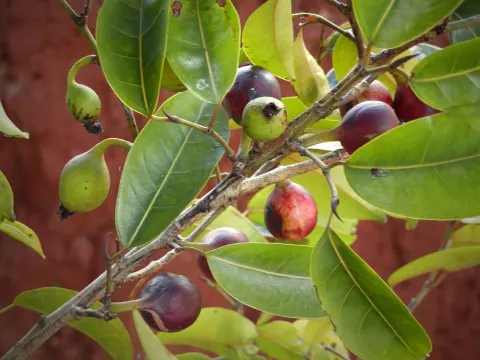
Bosqueia angolensis
Bosqueia angolensis
Bosqueia angolensis, now frequently classified as Trilepisium madagascariense, is a prominent tree species within the Moraceae (Mulberry) family.
What the section contains
Bosqueia angolensis
This species is native to the tropical regions of Africa, where it thrives in moist forests, gallery forests, and areas with high annual precipitation.
The tree requires deep, fertile soil conditions to reach its full development potential and typically prefers environments with consistent, year-round warmth.
Its biological structure includes a dense canopy and a robust root system, making it an essential component for soil stabilization in its natural habitat.
Cultivation of this species relies on maintaining the delicate balance of tropical moisture and soil nutrient availability, characteristic of rainforest ecology.
The primary economic value of Bosqueia angolensis lies in its timber, which is highly regarded for its strength, durability, and resistance to decay.
Timber harvested from this species is traditionally utilized in general construction, the manufacturing of furniture, and various artisanal woodworking projects.
Sustainable harvesting practices are paramount to ensure the continued existence of the species, as it plays a crucial role in maintaining local biodiversity.
Beyond wood production, the tree is sometimes integrated into agroforestry systems due to its ability to provide shade and modify local microclimates.
Ongoing agricultural and botanical research continues to explore the potential for better management and sustainable utilization of this important tropical forest resource.