
Pennyroyal
Mentha pulegium L.
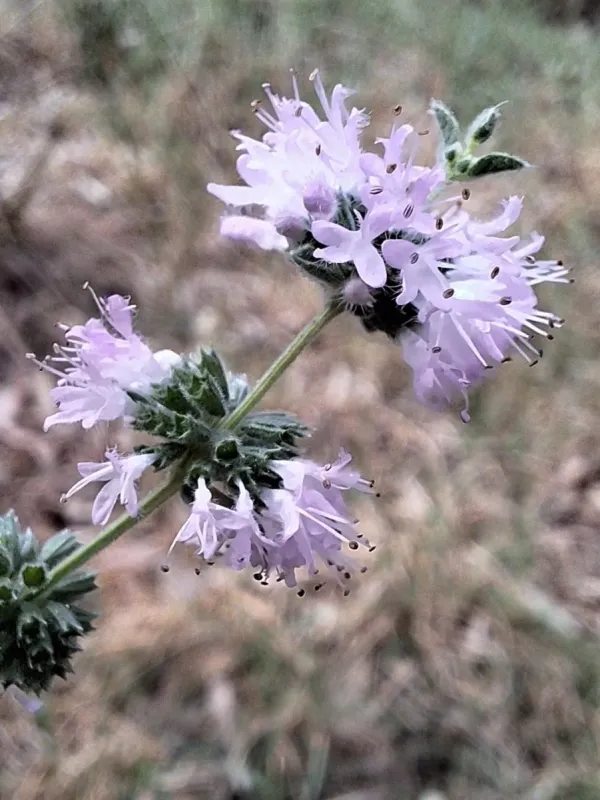
Description
Sowing dates
Pennyroyal (Mentha pulegium L.), belonging to the Lamiaceae family, is a hardy perennial herb characterized by its distinct pungent aroma. Propagation is primarily vegetative through root division or stem cuttings, as seeds often exhibit erratic germination rates.
The optimal planting time is early spring once the soil temperature consistently reaches 8-10 degrees Celsius. Planting can also be done in early autumn, provided the soil moisture is sufficient to support root establishment before winter frosts.
Commercial plantations typically utilize a row spacing of 50-60 cm to allow for efficient tractor cultivation and mechanical weed control between rows.
Cuttings or root sections are planted at a depth of 6-8 cm. Ensuring firm soil contact during planting is essential for rapid root development and survival of the young plants.
In the initial growth phase, the field must be kept free of competitive weeds, as Pennyroyal has a relatively slow establishment rate before developing a dense mat of vegetation.
Growing requirements
As the common name implies, this plant thrives in moist environments. It is naturally found in damp habitats, making regular irrigation a mandatory requirement for productive commercial farming.
The plant prefers fertile, well-drained loamy soils. While it appreciates moisture, stagnant water must be avoided, as it leads to root rot and significant yield loss.
Pennyroyal requires full sun exposure to reach its maximum essential oil potential. While it can survive in partial shade, decreased light levels lead to a significant drop in oil concentration.
The climate should be temperate. In regions with severe winters, the plants may require mulching or snow cover to protect the rhizomes, although the species is generally resilient.
Soil fertility management through organic composting or balanced NPK fertilizers significantly boosts the yield of biomass, which is the primary source of commercial essential oils.
Yield
Crop yields for Pennyroyal vary depending on irrigation efficiency and soil quality, typically ranging from 10 to 15 tons of fresh herb per hectare under intensive management.
The essential oil yield, rich in the compound pulegone, generally fluctuates between 0.5% and 1.2% by weight of the dried herb. Quality is determined by the timing of the harvest relative to the flowering cycle.
The plantation is most productive during the second and third years of growth. After this period, plant vigor often declines, necessitating replanting to maintain the economic viability of the site.
Double cropping in a single season is possible in warmer regions, provided the first harvest is performed early enough to allow the plants to regenerate before the onset of cooler temperatures.
Yield stability is heavily dependent on maintaining uniform moisture levels throughout the growing season, especially during the critical periods of shoot elongation.
Main diseases and pests
The most significant insect pests include mint leaf beetles and aphids, which feed on the leaves and can severely weaken the plant, reducing both biomass and oil quality.
Fungal diseases like rust (Puccinia menthae) are common in humid conditions or crowded fields with poor airflow. These infections can quickly spread across an entire plantation if not managed.
Powdery mildew also presents a recurring threat, particularly during periods of high temperature fluctuations, necessitating regular monitoring of the foliage.
Integrated Pest Management (IPM) strategies are highly recommended to minimize chemical residues, especially since Pennyroyal products are often used in herbal and consumer goods.
Early identification through field scouting is essential. Promptly removing infected plants can prevent the widespread outbreak of disease within the crop rows.
Harvesting
Harvesting is traditionally performed during the full bloom stage, as this is when the concentration of essential oils and active volatile compounds is at its absolute peak.
Stems are cut 7-10 cm above the ground level. This height allows for rapid regrowth from the rhizome base, enabling potential secondary harvests or better overwintering success.
Immediately after cutting, the biomass must be processed or moved to a drying facility to prevent the rapid evaporation of volatile oils caused by exposure to sun and heat.
Drying for medicinal use should occur in a well-ventilated, shaded environment. High temperatures during drying should be avoided to preserve the delicate chemical composition of the plant.
Post-harvest management involves clearing debris from the field and implementing a light mechanical cultivation to aerate the soil and stimulate the plants for the next growth cycle.