
Long-leaved Asian mint
Mentha longifolia (L.) Huds. var. asiatica (Boriss.) Rech. f.
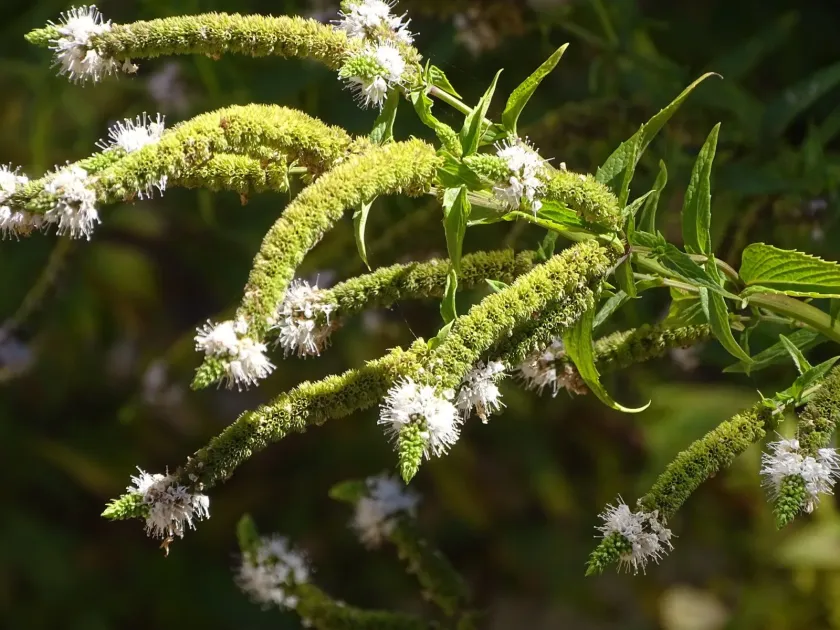
Description
Growing requirements
Long-leaved Asian mint (Mentha longifolia var. asiatica) belongs to the family Lamiaceae. This perennial herb is recognized for its robust rhizomes and its ability to adapt to diverse ecological conditions across Asian landscapes.
The plant thrives in moist environments, frequently colonizing riverbanks and areas with high soil moisture. In an agricultural setting, it performs best on loamy, well-drained soils that are rich in organic matter and maintain a balanced pH level.
Sunlight exposure is crucial for optimal photosynthesis and the biosynthesis of essential oils within the leaf tissues. While it prefers full sun, moderate shade in hot climates can help maintain the succulence and aromatic profile of the foliage.
Cultivation requires consistent soil moisture management, as the plant is sensitive to drought conditions. Proper irrigation cycles are essential to ensure vigorous growth and to prevent the plant from entering a state of stress that reduces yields.
Good soil preparation, including deep tilling and organic amendment incorporation, is necessary before planting. As a perennial crop, it requires minimal tillage after establishment, making it a sustainable choice for long-term production systems.
Main diseases and pests
Mint rust (Puccinia menthae) is a primary concern for growers, as it can cause significant yield reductions through leaf damage. Management strategies involve promoting airflow and avoiding overhead irrigation that leaves foliage wet for extended periods.
Powdery mildew represents another major threat, particularly in regions with high humidity and poor ventilation. Regular scouting for early signs of white fungal patches is essential to prevent rapid spread across the plantation.
Insect pests, such as the mint leaf beetle, pose a direct threat by consuming leaf tissue and reducing plant vigor. Integrated pest management, including the use of beneficial insects, is encouraged to maintain crop health.
Root rot fungi can infest the rhizomes if the soil becomes waterlogged, leading to plant decline. Improving field drainage and strictly monitoring water input are the best preventative measures against soil-borne pathogens.
Mites can become problematic during hot, dry summer months, leading to leaf stippling and yellowing. Maintaining plant vigor through proper fertilization and watering schedules can help the plants better tolerate occasional infestations.
Harvesting
The harvest phase begins when the plant reaches full bloom, which is the point of peak essential oil concentration. Harvesting at the correct physiological stage is critical for maximizing both the quality and quantity of the aromatic harvest.
The crop is harvested by cutting the stems at a height of 5–10 cm above the ground. This method allows the plant to regenerate quickly, enabling multiple harvests per season under favorable growing conditions.
Harvested material must be processed rapidly to ensure that volatile compounds do not degrade. Immediate transfer to shaded, well-ventilated drying facilities is recommended to preserve the integrity of the essential oils.
Drying is performed at controlled temperatures below 40°C to avoid scorching and loss of aroma. Proper air circulation during the drying process ensures a uniform moisture content, which is vital for safe long-term storage.
The final product is widely used in the pharmaceutical, culinary, and cosmetic sectors. High-quality dried mint leaves are a staple commodity, valued for their concentration of menthol and other secondary metabolites.