
Japanese mint
Mentha japonica (Miq.) Makino
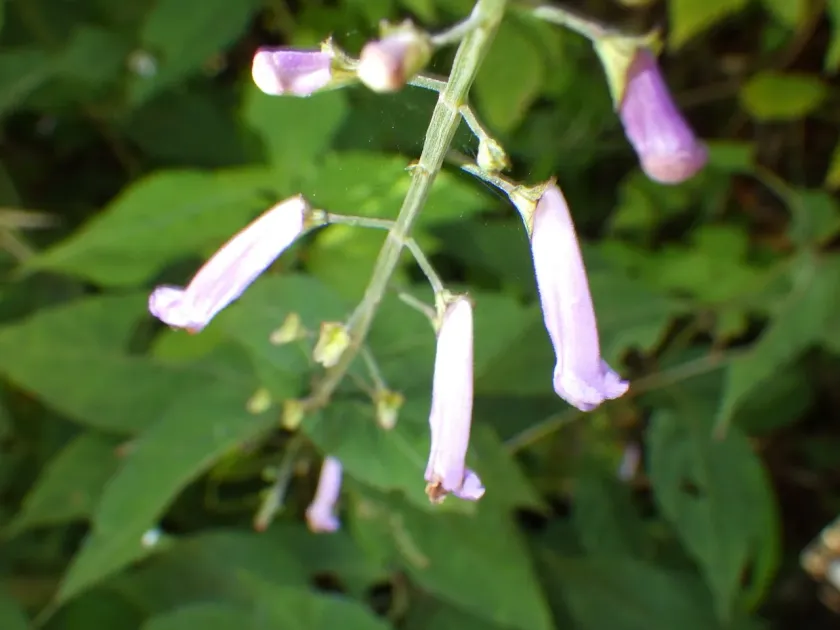
Description
Sowing dates
The cultivation of Japanese mint (Mentha japonica) is primarily performed via vegetative propagation, utilizing rhizome division or stem cuttings. The ideal time for establishing a plantation is early spring, once the soil temperature consistently reaches +8...+10°C.
Propagation via seeds is rarely practiced due to the lengthy germination process and the high requirements for substrate sterilization. When seeds are used, they are sown at a shallow depth of no more than 0.5 cm, requiring constant moisture levels for successful emergence.
The plant possesses a vigorous root system, necessitating careful spacing during planting. A typical row spacing of 40–60 cm is maintained to provide sufficient room for the plant to spread and to facilitate proper air circulation between the rows.
For optimal establishment, select sites that are protected from harsh winds and receive full solar exposure. Mentha japonica performs poorly in shaded environments, which significantly reduces the synthesis of essential oils in its tissues.
Land preparation begins with deep plowing and the incorporation of organic fertilizers during the autumn. In the spring, the soil surface is meticulously leveled to ensure uniform moisture distribution and to prevent waterlogging.
Growing requirements
Japanese mint, a member of the Lamiaceae family, thrives in moderately warm and humid climates. It is well-adapted to the environmental conditions of Japan and surrounding regions, requiring consistent hydration throughout the growing season.
The preferred soil type is loose, nutrient-rich loam or sandy loam with a neutral to slightly acidic pH. Avoiding sites with high groundwater levels is crucial to prevent the risk of root rot, which is a common issue for this species.
While the plant exhibits moderate cold tolerance, it may require protection against severe, snowless winters. Mulching the plantation with straw or peat serves as a vital insulation layer, protecting the crown and rhizomes from frost damage.
High soil moisture is mandatory during the active growth phases. Any deficit in water leads to the premature lignification of the stems and a significant decline in the concentration of aromatic compounds within the leaves.
Maintenance involves frequent inter-row cultivation and weeding. Mentha japonica does not tolerate competition from aggressive weeds, which can easily suppress the growth of young shoots and steal essential nutrients.
Main diseases and pests
The primary threats to Japanese mint are fungal diseases, such as rust and powdery mildew. These pathogens thrive in environments characterized by high humidity, poor air ventilation, and overly dense plantation layouts.
Key insect pests include mint beetles, aphids, and various weevils. These pests damage the foliage and flower spikes, which directly impacts the plant's photosynthetic capability and lowers the quality of the harvested biomass.
Effective management includes strict crop rotation and the prompt removal of crop residues. It is strongly advised not to grow mint on the same plot for more than 3–4 consecutive years to prevent the accumulation of soil-borne pathogens.
Chemical control measures should be applied sparingly, as the product is frequently intended for medicinal or culinary use. Biological control agents and preventative cultural practices are preferred for maintaining a healthy crop.
Regular field scouting is essential for the early detection of pest infestations. Timely intervention, such as the isolation of infected plants, prevents the rapid spread of diseases across the entire plantation.
Harvesting
The harvest of Mentha japonica is performed during the peak flowering stage, when the essential oil content in the leaves reaches its maximum potential. At this phenological phase, the herb possesses its highest aromatic and therapeutic potency.
Harvesting involves mowing the aerial parts of the plant, leaving a stubble of approximately 5–7 cm above the ground. Depending on the length of the growing season, two harvests per year are possible under favorable conditions.
Once mowed, the biomass must be transported to the processing facility immediately. Allowing cut mint to sit in heaps leads to rapid heating and fermentation, which destroys the delicate aromatic components of the plant.
Drying is performed in shaded, well-ventilated areas or specialized drying chambers at temperatures not exceeding 40°C. Overheating causes the evaporation of volatile oil fractions, significantly diminishing the final product's quality.
After complete drying, the leaves are processed, separated from stems, and packed into airtight containers. Storage must occur in cool, dark, and dry conditions to preserve the quality and fragrance of the mint for long-term use.