
Large-flowered mint
Mentha grandiflora Benth.
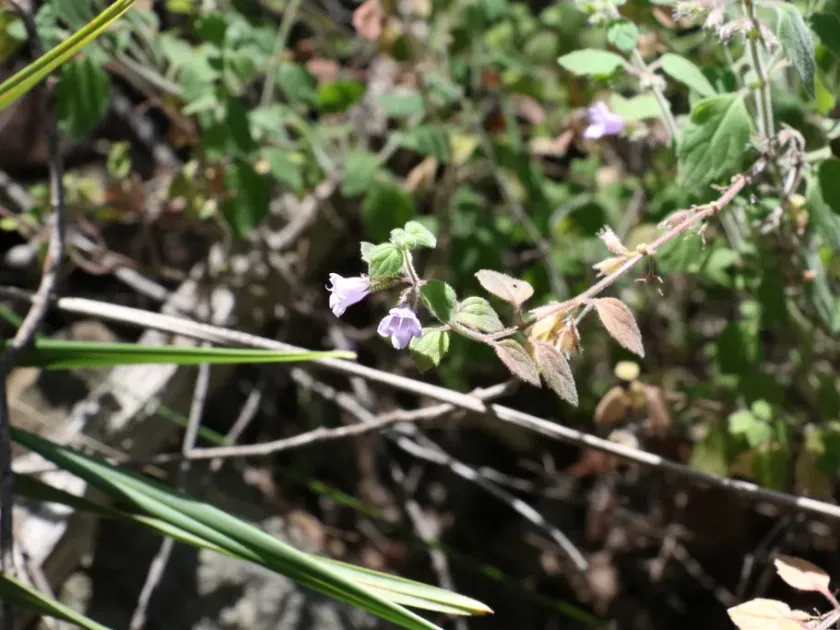
Description
Sowing dates
Large-flowered mint (Mentha grandiflora), belonging to the Lamiaceae family, is typically sown in spring once soil temperatures reach 10–12°C. In commercial agriculture, vegetative propagation using rhizome cuttings is preferred to ensure crop uniformity and faster establishment.
If sowing by seeds, place them at a depth of 0.5–1 cm, as seeds are small and sensitive to lighting conditions. After planting, the soil should be lightly rolled to ensure optimal contact between seeds and moisture in the soil bed.
Autumn sowing is only viable in mild climates to avoid seed freezing. In colder regions, starting seedlings in a protected greenhouse is the standard practice before transplanting to the field.
When using vegetative methods, a row spacing of 60–70 cm is recommended to facilitate the use of mechanical equipment for weed control and inter-row cultivation. Proper planting density is essential to maintain good air circulation.
Plantations typically remain productive for 3–4 years. Beyond this point, natural depletion of the root system occurs, and it is necessary to renew the plantation by transplanting healthy rhizomes to a fresh site with restored nutrient levels.
Growing requirements
This crop prefers sunny locations shielded from strong winds, which can damage delicate foliage. It thrives in fertile loamy or sandy loam soils that possess a neutral or slightly acidic pH balance.
Consistent soil moisture is a primary requirement throughout the active growth phase. However, the crop is extremely sensitive to waterlogging, which promotes root rot and can destroy an entire harvest if drainage is insufficient.
Optimal temperatures for peak photosynthesis and essential oil accumulation range between 20–25°C. Excessive heat paired with drought can significantly reduce oil quality, necessitating the use of drip irrigation in arid regions.
Regular fertilization with nitrogen, phosphorus, and potassium in early spring supports vigorous growth. However, excessive nitrogen must be avoided, as it encourages leaf mass production at the expense of aromatic oil concentration.
Cultivation practices involve frequent inter-row loosening to prevent soil crusting and eliminate competing weeds. Weeds are a major threat as they compete for critical nutrients and water during the peak growing season.
Yield
The yield of Mentha grandiflora is highly dependent on the agricultural environment, soil fertility, and irrigation management. With optimal conditions, the crop produces high volumes of biomass per hectare over multiple years.
On average, growers can expect 15–25 tons of raw biomass per hectare with two harvests per season. The final essential oil yield depends heavily on the growth phase during the harvest and subsequent processing conditions.
The concentration of aromatic compounds peaks during full bloom. Harvesting too early or too late results in a significant loss of potential essential oil yield, making precise timing a critical factor for profitability.
A second harvest in late summer generally produces a slightly lower yield than the first. This is attributed to the natural deceleration of plant growth after the peak bloom and the reduction in daylight hours.
To increase the economic efficiency of the crop, it is recommended to implement intensive care after the first cut, including fertilization and irrigation to stimulate rapid secondary vegetative regeneration.
Main diseases and pests
The most significant threats to large-flowered mint are fungal diseases, primarily mint rust and powdery mildew. These diseases can rapidly devastate leaf surfaces, making the harvest unsuitable for commercial processing.
Fusarium wilt is another severe risk, particularly in poorly drained soils or when crop rotation protocols are neglected. Preventing this disease relies on using high-quality disease-free planting material.
Pests like leaf beetles can cause significant damage by feeding on foliage, leaving behind only the veins. Aphids and spider mites are also common, causing stunted growth and deformity of young shoots by sucking plant juices.
Integrated pest management, prioritizing biological controls, is highly recommended to maintain the quality and safety of the essential oil crop. Harsh chemical pesticides should be avoided whenever possible.
Effective prophylaxis includes maintaining optimal planting density to improve ventilation and removing plant debris from the field, as these serve as reservoirs for diseases and pests for the following season.
Harvesting
Harvesting is best conducted on dry, sunny days to ensure low moisture content and maximize essential oil preservation. Mechanical harvesters are essential for large-scale operations to manage timing effectively.
Harvested mass must be processed immediately to prevent heating and fermentation, which lead to the rapid loss of volatile aromatic oils. Logistics between the field and the drying facility must be tightly managed.
Specialized drying chambers with temperature controls set to 35–40°C are used to dry the crop. This temperature range is crucial to evaporate water without compromising the stability of essential oils.
Following the drying process, leaves are mechanically separated from the stems. Since the majority of essential oil and active aromatic compounds are stored in the leaves, this step is vital for product value.
Final storage should be in airtight, light-protected containers in a cool, dry environment. This preserves the organoleptic properties and aromatic intensity of the dried mint for extended periods.