
Gattefosse Mint
Mentha gattefossei Maire
Description
Growing requirements
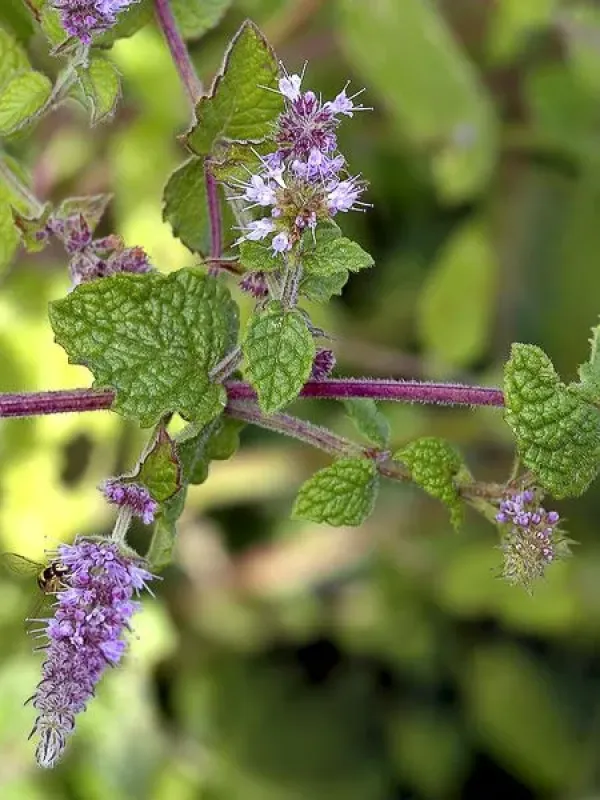
Gattefosse Mint (Mentha gattefossei) is a perennial herbaceous plant belonging to the Lamiaceae family. Native to the mountainous regions of Morocco, this rare species is highly specialized to thrive in specific North African microclimates.
In its natural habitat, the plant is typically found near streams and in areas with consistent soil moisture. It requires bright, indirect light to develop its full aromatic potential while needing protection from the scorching heat of peak summer days.
For cultivation, the plant prefers well-drained, fertile soil with a neutral to slightly alkaline pH. Organic matter enrichment is essential to promote vigorous root development, which is critical for the long-term survival of the plant in a commercial setting.
Agronomic management requires a delicate balance of irrigation. The soil must remain consistently moist but not waterlogged, as poor drainage is the primary cause of root failure and plant decline in cultivated environments.
Regarding climate, this mint species favors mild temperatures typical of Mediterranean-like zones. In colder regions, greenhouse cultivation or heavy winter mulching is necessary to protect the rhizomes from freezing, ensuring the plant returns in the following season.
Yield
The primary economic value of Gattefosse Mint lies in its essential oil production. The unique chemical profile of its oil makes it a sought-after ingredient in the perfume and pharmaceutical industries, distinct from more common mint varieties.
Yields of fresh biomass are optimized through precise spacing and adequate nitrogen supply. By maintaining optimal plant density and healthy soil structure, producers can significantly increase the total harvest volume per hectare.
Regular harvesting of the green mass stimulates lateral growth and foliage regeneration. Depending on local growing conditions, two to three harvests per season are possible, provided the plant receives sufficient moisture and light after each cutting.
Peak quality is reached during the full flowering stage. During this period, the essential oil content in the glandular hairs of the leaves is at its highest, which is the standard indicator for industrial harvesting and subsequent processing.
Post-harvest handling is critical to preserve the volatile compounds. Drying should be conducted in shaded, airy conditions to avoid degradation of the essential oils, ensuring the final product meets high industrial standards for purity.
Main diseases and pests
The most significant threats to Gattefosse Mint crops are fungal pathogens, specifically those that attack the root zone. Over-irrigation frequently leads to wilt and rot, necessitating careful control over water application methods and frequency.
Insect pests, including aphids and spider mites, pose a constant challenge to commercial cultivation. These pests damage foliage by feeding on sap, which not only stunts growth but can also lead to secondary viral infections within the crop.
Effective pest management relies on an integrated approach, starting with the selection of certified, disease-free planting material. Regular inspection of the field helps identify and contain localized pest outbreaks before they spread across the plot.
If chemical interventions are required, they must be applied judiciously, especially considering the crop is intended for essential oil extraction. Avoiding toxic residues is vital for complying with environmental regulations and end-user safety requirements.
Good agricultural practice, including proper weed control and crop rotation, significantly reduces the pressure from pests. Maintaining a healthy, diverse field environment encourages beneficial insects that act as natural predators for common mint pests.