
Hart's pennyroyal
Mentha cervina L.
Description
Sowing dates
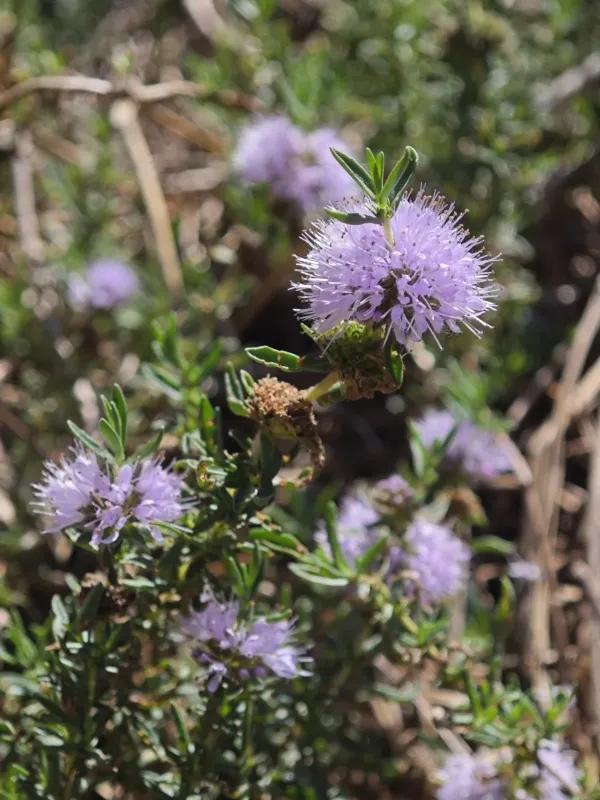
Hart's pennyroyal, botanically known as Mentha cervina, is a distinct species within the Lamiaceae family. It is recognized for its narrow, needle-like leaves and a strong, aromatic profile that is highly prized for culinary and essential oil production.
The sowing process begins in early spring, once the soil has warmed sufficiently. Seeds should be sown on the surface of well-prepared, moist soil, as they require light to germinate effectively and should not be covered with a thick layer of substrate.
Vegetative propagation via cuttings or rhizome division is the preferred method for commercial cultivation. This ensures genetic consistency and provides robust planting material that establishes itself much faster than seedlings grown from seed.
Optimal plant spacing is critical for maximizing yields and maintaining healthy air circulation. A configuration of 40x20 cm allows the plant to spread horizontally, forming a dense mat that effectively suppresses competing weeds in the inter-row areas.
During the initial phase of planting, consistent moisture is mandatory. Young plants are sensitive to desiccation, and providing a stable water supply ensures that the root system develops deeply and efficiently for long-term growth.
Growing requirements
As a natural inhabitant of wetlands and stream banks, this crop demands high water availability. In a farm setting, drip irrigation or regular overhead watering is essential to mimic its natural, damp environment and sustain vigor.
The soil should be nutrient-rich, preferably loam with high organic matter content. While the plant adapts to various types, it performs best in soils that can retain moisture without becoming completely waterlogged, ensuring healthy oxygen exchange.
Full sun is essential for the plant to reach its full potential in terms of oil content and fragrance development. Insufficient light results in elongated, weak stems and significantly lower concentrations of secondary metabolites.
The climate should be moderate, avoiding extreme drought or harsh, freezing winters without snow cover. Providing mulch during winter can protect the root system in colder regions, ensuring the plant survives until the next growing season.
Soil pH should ideally be near neutral, although the plant shows some tolerance to slightly acidic conditions. Regular soil testing allows for the precise application of nutrients, specifically focusing on nitrogen to encourage lush green growth.
Main diseases and pests
Fungal diseases are the primary threat to the crop, especially rust and powdery mildew. These pathogens thrive in stagnant air and high humidity, making proper spacing and ventilation vital components of disease prevention.
Common pests include mint aphids and spider mites, which can cause significant damage to the delicate foliage. Their activity reduces photosynthetic capacity and compromises the marketability of the harvested herbal material.
Implementing an Integrated Pest Management (IPM) strategy is highly recommended. This includes the use of beneficial insects, physical barriers, and targeted biological treatments to minimize the reliance on harsh synthetic chemicals.
Regular monitoring of the plantation is required to detect early signs of infestation. Promptly removing and destroying any infected plant parts serves as a firebreak, preventing the spread of diseases throughout the entire field.
Crop rotation is another essential management tool. Growing the crop in the same location for multiple consecutive years increases the risk of soil-borne diseases, so rotating with non-related crops every few years is standard practice.
Harvesting
The harvesting stage is critical and must coincide with the beginning of the flowering period. During this time, the concentration of aromatic compounds and essential oils is at its highest, ensuring the best quality product.
Harvesting should be performed on a dry day, preferably mid-morning after the dew has evaporated. Using mechanized cutters set at an appropriate height allows for a clean harvest while leaving enough of the plant for potential regrowth.
Drying must be performed in a cool, well-ventilated facility away from direct sunlight to preserve the volatile oils. High temperatures can cause the delicate aromatic compounds to evaporate, ruining the quality of the harvested herb.
Once dried, the leaves and flowers are stripped from the stems, graded for quality, and packaged in airtight containers. Proper storage in a cool, dry place maintains the potency and shelf-life of the dried product for several months.
This crop has diverse applications, including use as a culinary herb, a key component in digestive herbal infusions, and an ingredient in the cosmetics industry for its refreshing and antiseptic properties.