
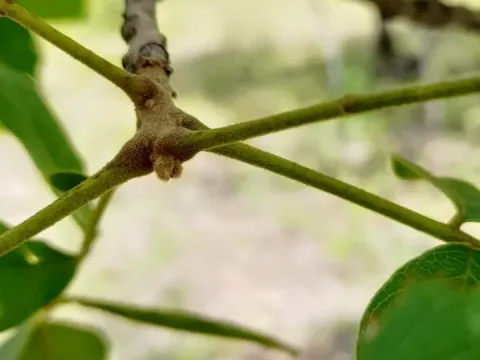
Zanha
Zanha
Zanha is a genus of trees belonging to the Sapindaceae family, native to tropical Africa. The most prominent species, Zanha africana, is well-known for its ecological role in savannah and woodland landscapes.
What the section contains

Zanha
The plant thrives in warm tropical climates and requires well-drained soil to prevent root issues. It is remarkably resilient, showing high tolerance to seasonal drought conditions, which allows it to persist in various environmental niches.
Botanically, Zanha trees are characterized by pinnately compound leaves and robust growth habits. They typically form a dense canopy that provides significant shade and contributes to local biodiversity in their native range.
Cultivation requirements involve ensuring adequate spacing between individual trees to promote healthy airflow and light penetration, which are essential for optimal photosynthesis and fruit production.
The tree has multiple economic uses, primarily for its edible fruit consumed by local communities and its hard, durable timber used for traditional construction and tool-making purposes.
Zanha trees may encounter challenges from stem-boring insects, especially during extended periods of environmental stress that weaken the tree's natural defense mechanisms.
Fungal infections can affect the foliage during the peak of the rainy season, manifesting as leaf spots if the trees are planted in areas with poor drainage or stagnant air.
Root pathogens remain a potential threat in waterlogged soils, making site selection critical for successful growth and longevity of the Zanha specimens.
Effective management strategies include the monitoring of bark health and the removal of any diseased branches to prevent the spread of localized infections within the tree canopy.
Integrated pest management in forestry contexts focuses on maintaining tree vigor through appropriate site selection and periodic thinning to ensure that each tree receives sufficient nutrients.