
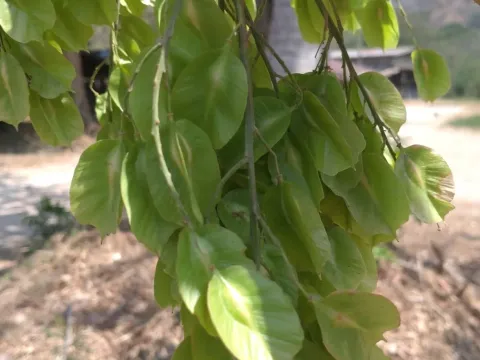
Zollingeria
Zollingeria
Zollingeria is a genus of tropical trees belonging to the Sapindaceae family. While not a typical field crop, it is highly regarded in the forestry and botanical sectors of Southeast Asia for the quality and structural properties of its timber.
What the section contains

Zollingeria
Natural regeneration occurs via seeds, which are adapted to the specific conditions of humid tropical forests. In controlled nursery environments, these seeds require specialized pre-treatment to break dormancy and ensure high germination rates for future plantations.
The optimal planting schedule is closely aligned with the beginning of the rainy season, as young seedlings require high humidity and consistent moisture to establish their root systems effectively during the initial growth stage.
In forest management, young trees are typically kept under a canopy or artificial shading to protect them from direct, harsh sunlight. Maintenance involves clearing competing weeds and invasive vines that may hinder growth and deprive the young trees of nutrients.
The successful establishment of a Zollingeria plantation requires a deep understanding of local ecology. The species performs best in habitats where traditional tropical forest structures are maintained to foster a healthy growth environment.
Zollingeria requires well-drained alluvial or ferrallitic soils to thrive. The species is notably sensitive to waterlogging, despite its affinity for high humidity, meaning that soil drainage is a critical factor in site selection.
The climate must be tropical with consistent temperatures ranging from +24 to +30 degrees Celsius. The tree does not tolerate significant temperature drops or prolonged, severe droughts, which can lead to canopy stress and stunted development.
While adult trees thrive in full sunlight to achieve optimal growth, seedlings need diffuse light conditions. The plantation site should also be protected from high-velocity winds that could cause structural damage to the developing wood.
The soil must be rich in organic matter. Applying mulch is highly recommended to mimic natural leaf litter, which supports soil structure and encourages the growth of beneficial microorganisms necessary for tree nutrition.
The species prefers a neutral to slightly acidic soil pH. It does not tolerate saline conditions, and land selection should exclude areas with poor drainage to avoid root rot and nutrient uptake issues.
Yield in Zollingeria cultivation is measured by biomass accumulation and timber quality rather than agricultural volume. The species is characterized by a moderate to slow growth rate, necessitating a long-term approach to harvest planning.
Timber quality is defined by fiber density and wood uniformity, which are directly influenced by the quality of silvicultural practices. Annual forest surveys are used to assess the growth progress and potential for future timber yields.
Intensive care, including proper spacing and occasional fertilization in nursery settings, can significantly increase the growth rate of individual trees. Monitoring these indicators allows foresters to predict harvest volumes with greater accuracy.
The economic success of the crop depends on sustainable management and market demand for tropical hardwoods. Research into selecting superior genotypes is ongoing to improve growth rates without sacrificing the durability of the wood.
Sustainability is key to yield management, ensuring that plantations remain productive over multiple harvest cycles. Soil management and the prevention of erosion are vital components of maintaining high yield potential over the long term.
The primary threats to Zollingeria include various wood-boring insects and beetles that target the bark and inner structure of the tree. These pests can significantly degrade timber quality, often rendering the logs unsuitable for high-end carpentry.
Fungal diseases, often exacerbated by high humidity and inadequate soil drainage, represent a major risk. These pathogens primarily target the root system, causing decay that weakens the tree and stunts its growth.
- Wood-boring beetles damaging the timber structure.
- Root rot caused by waterlogged soil conditions.
- Defoliating insects during the peak growing season.
- Competition from aggressive invasive tropical vines.
Disease prevention relies on regular monitoring and sanitary cutting of infected branches or trees to prevent the spread of pathogens. Chemical protection is rarely used due to the environmental sensitivity of tropical forest ecosystems.
Climatic stress caused by extreme rainfall variability or prolonged heat can weaken the tree's natural defenses, making it more susceptible to pest infestations. Balanced nutrition and site health are the best preventative measures.
The harvesting of Zollingeria is conducted according to established forestry standards, focusing on reaching the technical diameter required for commercial timber use. Sustainability guidelines ensure that the harvest does not exceed the regeneration capacity.
Modern logging techniques are employed to minimize damage to the surrounding forest cover. Once felled, the logs are carefully processed to prevent damage and to prepare them for the drying and curing stages required for durable timber.
Drying is a critical stage to prevent cracking and warping of the wood. This is typically done in climate-controlled kilns or through slow, natural air-drying under specialized sheds, depending on the required end-product quality.
Seed collection for future planting requires careful selection from healthy, mature trees to maintain genetic diversity. Seeds must be stored in controlled conditions to ensure they remain viable until the next planting season.
All harvest by-products, such as branches and bark, are repurposed as mulch or compost. This approach helps maintain soil fertility and contributes to the overall sustainability of the plantation site after logging.