
Zanha golungensis
Zanha golungensis
Description
Growing requirements
Zanha golungensis is a robust evergreen tree species belonging to the Sapindaceae family. Known for its stature, it can grow up to 20 meters tall, featuring a wide-spreading crown that dominates the canopy in its native habitats.
This species is native to various regions in tropical Africa, including Angola, Mozambique, Tanzania, and South Africa. It thrives primarily in riverine forests, coastal thickets, and areas with high humidity and well-distributed rainfall.
Climatic requirements for this tree center on tropical stability. It demands high annual temperatures and is strictly frost-intolerant, making its cultivation possible only in warm regions that lack significant cold spells.
Regarding soil conditions, Zanha golungensis prefers deep, fertile, and well-drained soils. While it exhibits some tolerance to varied textures, it performs best in loam-rich environments that retain moisture without becoming waterlogged.
Agrotechnical practices are relatively minimal as it is primarily harvested from wild populations. However, for sustainable management, nursery propagation and protection of saplings from shade competition are recommended for reforestation efforts.
Yield
The primary economic output of Zanha golungensis is its high-quality timber. The wood is dense, durable, and highly prized for furniture making, decorative woodworking, and heavy-duty structural applications.
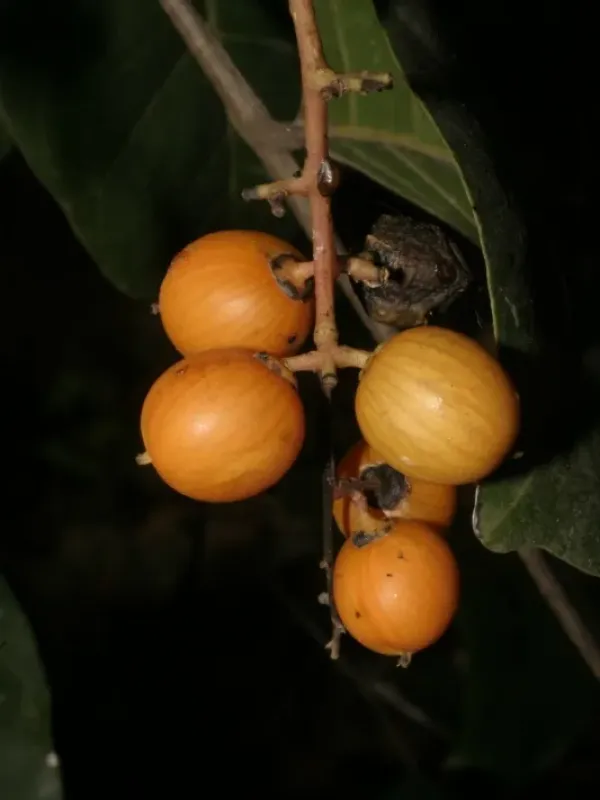
In addition to timber, the tree produces edible fruits that are gathered by local communities. These fruits are a valuable food source, providing essential vitamins and minerals during the growing season.
The bark and leaves possess therapeutic properties that are utilized in traditional medicine systems across its range. It is often used to treat various inflammatory conditions and digestive ailments.
Beyond commercial uses, the tree provides vital ecosystem services. Its deep root system helps stabilize riverbanks and prevents soil erosion, while the canopy offers food and nesting sites for diverse wildlife species.
- High-value timber for furniture and construction.
- Edible fruit production for local dietary needs.
- Traditional medicinal applications of bark and foliage.
- Soil stabilization and habitat restoration.
Main diseases and pests
The species faces pressure from wood-boring insects, which can severely damage the timber value and tree longevity. Implementing integrated pest management strategies is essential for plantation health.
Fungal pathogens represent another significant threat, particularly in regions with high humidity. Proper stand density management and removing diseased wood help maintain the overall vitality of the forest stand.