
Xerospermum noronhianum
Xerospermum noronhianum
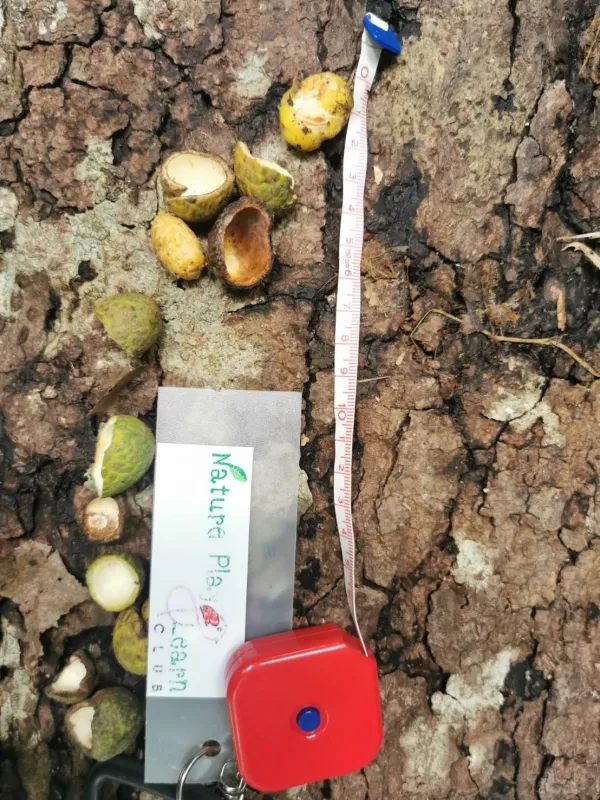
Description
Growing requirements
Xerospermum noronhianum is an evergreen tree belonging to the Sapindaceae family. It is a distinctive component of the tropical forest ecosystem, recognized for its dense foliage and unique structure that adapts well to warm, humid environments.
The native distribution of this crop spans across South-East Asia. It thrives in regions characterized by consistent rainfall and high temperatures throughout the entire year, which are essential for maintaining the tree’s active growth phase.
Successful cultivation requires deep, fertile, and well-drained soils. Because the root system is susceptible to decay in waterlogged conditions, soil aeration and proper drainage systems are mandatory for commercial planting sites.
The climate requirements for this species are strictly tropical. It prefers a thermal regime ranging from 22 to 30 degrees Celsius. Exposure to frost or sudden cold snaps can cause severe tissue damage, making it unsuitable for cultivation in temperate climates.
Regarding light exposure, mature trees require significant amounts of sunlight to reach their full fruit-bearing potential. While seedlings are adapted to understory conditions, canopy development in orchards must be managed to ensure light penetration.
Yield
The crop is cultivated primarily for its edible fruit. The fruits are typically processed locally and consumed fresh, valued for their unique flavor profile. Efficient harvesting requires monitoring the maturity of the fruit to ensure optimal sweetness and texture.
Annual yields vary depending on the rainfall distribution during the flowering season. While not a major global commodity, the species represents a reliable secondary crop for smallholder farms in its indigenous range, contributing to local food security.
Main diseases and pests
Plant health is often compromised by specific insect pests, including various scale insects and fruit flies. These pests can cause significant damage to the plant tissue and reduce the marketable quality of the fruit significantly.
Fungal diseases related to moisture accumulation, such as leaf spot, are prevalent in dense plantings. Good agricultural practices, including regular pruning for airflow and the removal of infected plant debris, are critical to maintaining tree vigor.