
Haplocoelum foliolosum
Haplocoelum foliolosum
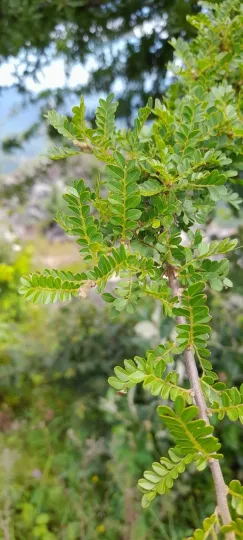
Description
Growing requirements
Haplocoelum foliolosum is a distinctive tree species belonging to the Sapindaceae family. It is native to the tropical regions of East Africa, thriving primarily in environments such as dry forests, scrublands, and wooded savannas where seasonal rainfall is the norm.
The tree exhibits remarkable adaptation to fluctuating moisture levels, making it resilient in its natural habitat. It prefers well-drained soils, often thriving in sandy or loamy textures that prevent waterlogging, which is essential for healthy root system development.
Climate requirements for this species are strictly tropical; it demands consistently warm temperatures and is highly susceptible to frost damage. Exposure to full sunlight is crucial for the tree's vigor, as it promotes dense crown formation and efficient energy synthesis.
Botanically, it is characterized by its compound leaves and sturdy woody structure. The plant's architecture allows it to withstand environmental stressors typical of the African savanna, including heat and dry winds, while providing shade for other understory species.
When considering cultivation, it is important to provide sufficient space for root and canopy development. Regular monitoring of growth parameters in the early stages of establishment is recommended to ensure the long-term survival of the plantation.
Harvesting
The primary economic value of Haplocoelum foliolosum lies in its timber, which is known for its durability and structural strength. This wood is highly sought after for local construction, rural infrastructure development, and the manufacturing of heavy-duty tools.
In addition to timber, the tree serves as an important component of the local ecosystem. Its ability to stabilize soil and contribute to biomass production makes it a candidate for reforestation projects aimed at restoring degraded tropical landscapes.
Harvesting operations should be managed sustainably to ensure the viability of forest stands. Selective logging practices are generally preferred, allowing for the regeneration of younger specimens and maintaining the overall health of the forest canopy.
The use of this species in agroforestry systems is an area of ongoing research. Integrating such hardy trees into managed land-use practices can provide economic benefits while simultaneously enhancing environmental stability in drought-prone areas.
Future agricultural efforts should focus on refining silvicultural techniques to optimize wood density and growth rates. By improving our understanding of its physiological requirements, we can better utilize this species for sustainable forestry initiatives.