
Guioa pleuropteris
Guioa pleuropteris
Description
Growing requirements
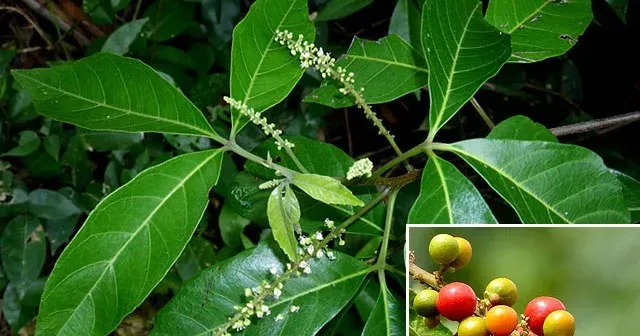
Guioa pleuropteris is a species of evergreen tree belonging to the Sapindaceae family. It is recognized for its dense foliage and robust growth habit, making it a significant component of tropical forest structures in its native range.
The plant originates from the tropical regions of Southeast Asia and parts of Southern China. It thrives in humid tropical climates where annual rainfall is consistent and temperatures remain within a relatively warm range throughout the year, supporting year-round vegetative activity.
For optimal growth, the species requires deep, well-draining, and fertile soil. While it prefers moist conditions, it is sensitive to waterlogging. Therefore, planting in areas with poor drainage should be avoided unless appropriate soil amendments are incorporated to ensure root health.
Environmental requirements include a stable climate with protection from harsh, drying winds. While the tree can tolerate full sun once established, young plants exhibit better growth rates under partial shade, which mimics the environment of the forest understory where they naturally occur.
Agrotechnical practices involve scheduled fertilization using balanced nutrients to support the canopy development. Watering should be consistent, ensuring the substrate remains moist but not saturated, especially during the establishment phase of the young saplings.
Harvesting
Guioa pleuropteris is primarily utilized in landscape architecture for its ornamental value and its capacity to act as a hedge or windbreak. Its wood, though not a primary timber source, is utilized locally for small-scale carpentry and light construction projects due to its durability.
The fruit of the tree consists of small, characteristic capsules that serve as an important dietary component for local bird species, contributing to the biodiversity of the ecosystem. It is an excellent choice for reforestation projects in areas where native flora regeneration is required.
Seed collection is timed to coincide with the natural dehiscence of the fruit capsules. Since the seeds are recalcitrant, they are highly sensitive to desiccation and should be sown as soon as possible after harvesting to ensure high germination rates.
Maintenance includes pruning practices aimed at stimulating dense branching, which enhances the decorative appearance of the tree. Proper pruning also improves air circulation through the canopy, which is essential for reducing the humidity pockets that can lead to fungal issues.
Common threats to the plant include leaf spot diseases, which can appear in high-humidity environments if air circulation is inadequate. Monitoring for pests and maintaining a balanced nutritional program are key to ensuring the long-term health and vitality of the plantation.