
Bush's horse-chestnut
Aesculus x bushii C. K. Schneid.
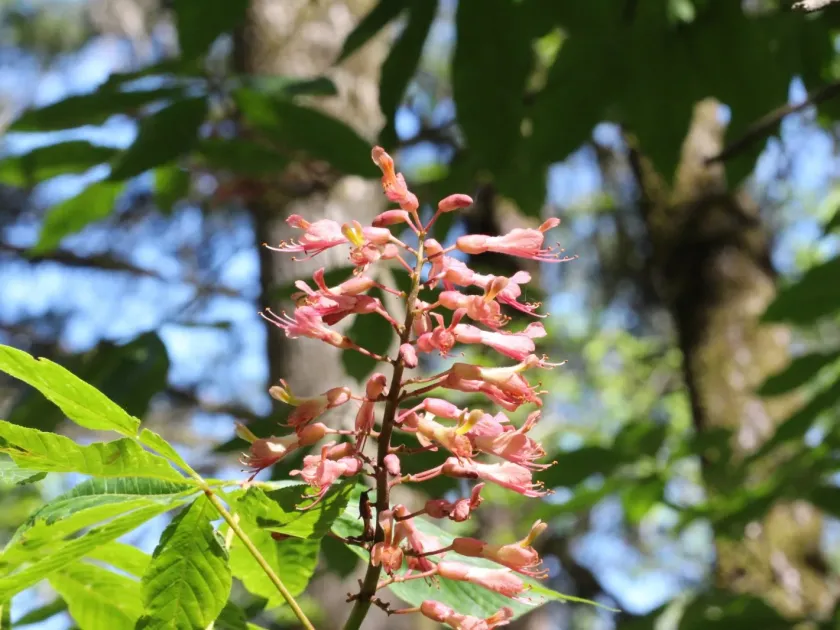
Description
Growing requirements
Bush's horse-chestnut (Aesculus x bushii) is a deciduous tree belonging to the Sapindaceae family. It is a natural hybrid resulting from the crossing of the common horse-chestnut and the red buckeye, exhibiting a unique blend of traits that makes it a prized specimen for temperate-zone gardens.
The species requires deep, fertile, and well-drained soils to thrive. It performs best in locations that offer moderate moisture levels while avoiding heavy, waterlogged clay, which can cause root rot. Adding organic compost during the planting phase supports long-term structural development.
This tree shows a preference for sunny sites but appreciates some protection from the intense afternoon sun, which can scorch the leaves in drier climates. It is relatively hardy and adaptable to urban environments, making it a reliable choice for park and street landscaping.
Cultivation practices focus on regular hydration during the establishment period. Mulching the base of the tree with bark or organic matter is recommended to suppress weed growth, maintain steady soil temperature, and retain moisture levels during the peak of summer.
Beyond its aesthetic value, this tree serves as an important ornamental feature in landscape design. Its compact form allows it to be used in various settings, including small suburban yards and larger public green spaces, providing seasonal interest with its distinctive floral display.
Main diseases and pests
The most significant pest affecting horse-chestnuts today is the horse-chestnut leafminer (Cameraria ohridella). Its larvae feed within the leaf tissue, causing premature browning and leaf fall, which significantly diminishes the tree's overall visual appeal.
Fungal leaf spot diseases are common, especially in years with high rainfall and poor air circulation. These infections typically manifest as dark necrotic patches on foliage and can lead to weakened tree health if left untreated throughout the growing season.
Powdery mildew can affect young foliage during warm, humid weather. Maintaining good airflow through selective pruning and applying appropriate fungicide treatments at the first signs of white fungal growth can prevent the infection from spreading throughout the canopy.
Bacterial blight is a serious concern that affects the bark and twigs, often resulting in cankers and dieback. Careful sanitation of pruning tools and immediate removal of affected plant parts are essential to manage the spread of the bacteria within the tree.
Integrated pest management strategies, such as clearing away fallen leaves and promoting a healthy growing environment, are crucial for long-term tree maintenance. By reducing the overwintering sites for pests, gardeners can help keep these trees healthy and robust.