
Pherosphaera
Pherosphaera
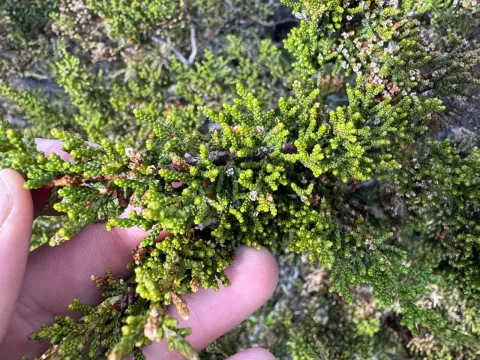
Pherosphaera is a genus of rare, slow-growing evergreen conifers belonging to the family Podocarpaceae. These small shrubs are notable for their dense foliage and unique branching patterns, which have captured the interest of plant taxonomists and specialized horticulturists worldwide.
What the section contains

Pherosphaera
The native distribution of this genus is restricted to the high-altitude, alpine regions of Tasmania, Australia. In these environments, the plants thrive in cool, moist, and high-humidity conditions, often found in rocky crevices or alongside mountain streams where precipitation is abundant.
Successful cultivation of Pherosphaera requires simulating its native alpine habitat. This means providing a consistent, cool environment, as the plant does not tolerate high temperatures or dry heat. Effective climate control, often within specialized glasshouses or alpine houses, is essential for its survival.
The soil substrate must be highly porous and well-drained, typically consisting of an acidic, peat-based mix rich in organic matter. Proper drainage is crucial to prevent root rot, as the plant's root system is extremely sensitive to waterlogged conditions, which occur easily in poorly aerated media.
The economic and social importance of Pherosphaera is focused entirely on its ornamental value. Due to its status as a rare and slow-growing endemics, it is primarily sought after by botanical gardens and expert collectors rather than for commercial agricultural production.
Pathogenic threats, particularly root pathogens such as Phytophthora species, are the most significant risks for Pherosphaera. These fungi thrive in cool, moist soil if drainage is insufficient, quickly destroying the sensitive root system and leading to plant death.
In indoor or greenhouse settings, common coniferous pests like spider mites and scale insects can become problematic. Regular monitoring of the foliage and maintaining optimal airflow around the shrubs are standard measures to mitigate these biological threats and ensure healthy growth.