
Prumnopitys montana
Prumnopitys montana
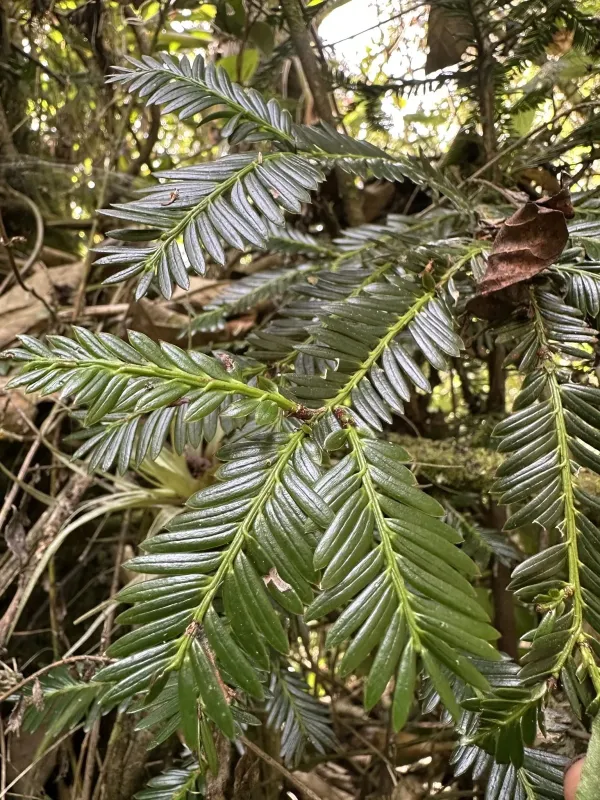
Description
Growing requirements
Prumnopitys montana is a prominent evergreen coniferous species belonging to the Podocarpaceae family. Naturally distributed across the Andean regions of South America, this tree is adapted to mountainous environments with cool temperatures and consistent moisture levels.
Successful cultivation of Prumnopitys montana requires well-drained, fertile soil with a slightly acidic to neutral pH. The species thrives in areas with high humidity and is sensitive to prolonged drought, making irrigation management critical in initial stages of growth.
The agronomic profile of this tree highlights its slow growth rate, which necessitates stable conditions in nursery environments. Proper spacing is essential to prevent light competition and ensure that each sapling develops a symmetrical and healthy crown structure.
In terms of propagation, seed viability can be a limiting factor, requiring specific stratification treatments to overcome dormancy. Vegetative propagation, while possible, remains challenging, requiring professional misting systems to facilitate successful root development.
Economic utility focuses on the timber industry due to the density and durability of its wood, alongside its value in high-altitude ornamental forestry. It serves as a durable component in reforestation projects within its native ecological range.
Main diseases and pests
The most significant pathological threat to Prumnopitys montana is root rot caused by stagnant water in the root zone. Ensuring excellent soil aeration and preventing overwatering are the primary cultural practices to mitigate this risk.
Pest management should focus on monitoring for scales and aphids, which frequently target new, succulent growth. Integrated pest management, including the use of horticultural oils or systemic insecticides, is recommended to keep the foliage clean and healthy.