
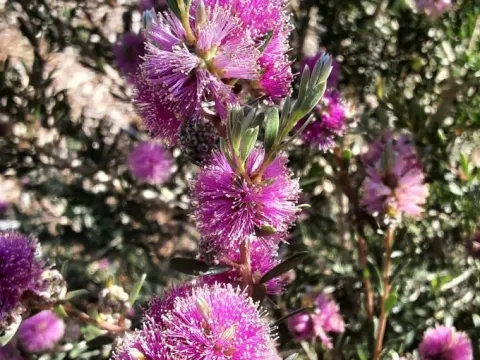
Melaleuca
Melaleuca sapientes
Melaleuca, a prominent genus within the Myrtaceae family, comprises woody evergreen shrubs and trees native to Australia and Southeast Asia. These plants are widely recognized for their aromatic properties and the high-quality essential oils extracted from their foliage.
What the section contains
Melaleuca
The crop thrives in tropical and subtropical climates, necessitating full sun exposure to promote vigorous growth and maximum oil yield. In cultivation, it is essential to ensure that the site is protected from frost, as the species is highly sensitive to freezing temperatures.
Soil requirements for Melaleuca center on excellent drainage. While the plants are adapted to varying soil types, they prefer slightly acidic to neutral, sandy or loamy soils. Waterlogged conditions must be avoided, as they frequently lead to root rot and diminished plant health.
Agronomic practices include consistent irrigation, particularly during establishment, and a balanced fertilization program. Nitrogen-rich fertilizers are often applied during the active growth season to support leaf development, while pruning is used to maintain optimal tree shape and productivity.
The cultivation cycle requires careful attention to spacing to ensure proper airflow through the canopy. Adequate ventilation reduces the humidity trapped within the foliage, which is a key factor in maintaining the overall vigor of the plantation and improving final biomass quality.
The major pests affecting Melaleuca include scale insects, spider mites, and mealybugs. These pests thrive in dry and warm environments, feeding on sap and reducing the photosynthetic efficiency of the leaves, which directly impacts the production of essential oils.
Fungal pathogens such as root rot and sooty mold are common threats, typically triggered by improper irrigation management or poor air circulation. Overcrowded plantings are particularly susceptible to these diseases, as they create a microclimate favorable for fungal growth.
Pest and disease management strategies prioritize early detection through routine field scouting. Implementing integrated pest management (IPM) practices, such as biological control and the removal of infected plant debris, remains the most sustainable approach for large-scale operations.
Chemical control measures should be applied judiciously to ensure residue levels meet industry standards, especially since the harvest is destined for oil extraction. Systemic insecticides may be used when infestations exceed economic thresholds.
Maintaining a high level of hygiene in the nursery and the plantation is crucial. This includes cleaning tools between rows and ensuring that incoming planting material is free of pests, thereby minimizing the risk of introducing pathogens into a clean environment.