
Luma chequen
Luma chequen
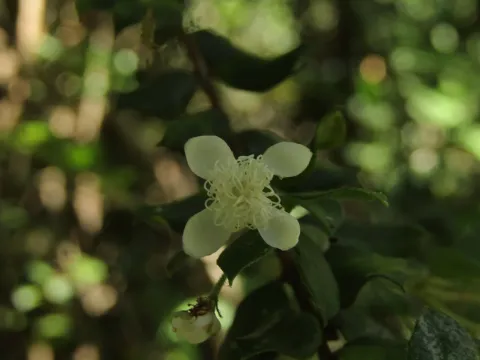
Luma chequen is an evergreen tree or large shrub belonging to the Myrtaceae family. It is highly valued for its aromatic foliage and attractive white flowers that bloom in the summer season, making it a distinct choice for both ornamental and medicinal plantations.
What the section contains
Luma chequen
Originating from the temperate regions of Chile and Argentina, this plant thrives in areas with mild, humid climates. It prefers well-drained, fertile soil, which is essential to prevent the root system from developing decay or fungal issues related to waterlogging.
Regarding climate, Luma chequen is moderately hardy but sensitive to severe frost. In colder climates, it is typically grown as a container plant or in protected areas where temperatures do not drop drastically, ensuring the plant retains its evergreen foliage throughout the year.
The agricultural management requires a sunny location to maximize growth and the production of aromatic oils. Full sun exposure ensures that the canopy remains dense and the plant produces sufficient energy for seasonal growth cycles, which is critical for biomass development.
Irrigation must be handled with precision: the soil should remain moist but not saturated. Mulching the base of the plant with organic matter helps stabilize soil temperature and moisture levels, mimicking its natural forest-edge habitat.
Pathogenic fungi represent the primary threat to Luma chequen, especially in environments with high humidity and poor air circulation. These conditions can trigger leaf spots and bark lesions if the canopy is too dense or crowded.
Insect pests, including scale insects and spider mites, are common nuisances that thrive in stagnant, warm conditions. These pests can cause significant damage by feeding on sap and reducing the photosynthetic capacity of the plant's leaves.
Monitoring the plant health involves regular checks of the undersides of leaves and branch junctions. Early detection of pest clusters allows for mechanical removal or the use of mild horticultural oils, avoiding the need for harsh synthetic chemicals.
Proper pruning is essential not only for shaping but also for disease prevention. By thinning out the inner branches, gardeners and farmers can ensure that air passes through the canopy, effectively reducing the moisture trapped inside.
Finally, maintaining balanced soil fertility is key to plant immunity. Over-fertilization with nitrogen can lead to soft, succulent growth that is more susceptible to aphids and fungal colonization compared to naturally grown wood.