
Melaleuca buseana
Melaleuca buseana
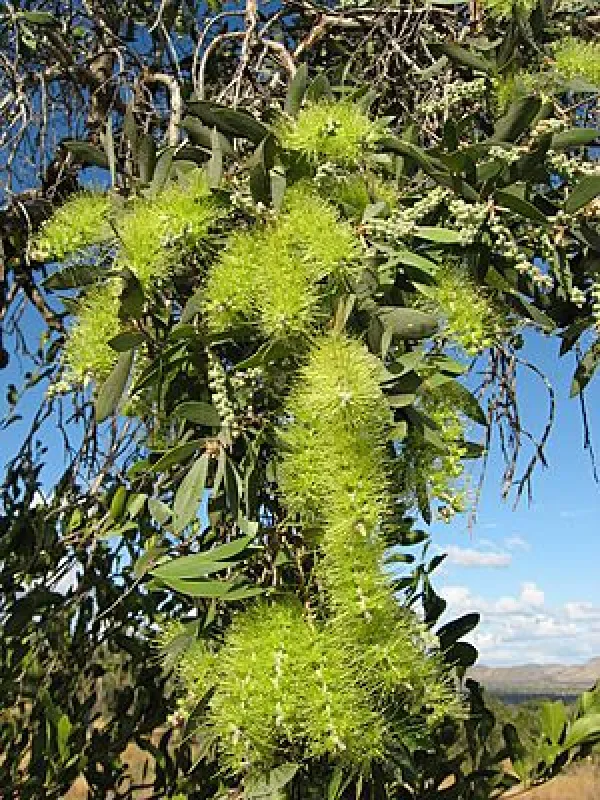
Description
Growing requirements
Melaleuca buseana is a woody plant belonging to the Myrtaceae family. It is native to specific regions of Australia, where it has evolved to thrive in environments that challenge many other cultivated species with high temperatures and limited water availability.
From a botanical perspective, this species is well-adapted to sandy and rocky soil types. Its root system is structured to anchor the plant effectively while seeking moisture deep within the soil profile, which makes it drought-resistant once established.
The climate requirements for this culture are centered around high levels of solar radiation. Full sun exposure is non-negotiable for healthy development, as the plant relies on intense light to support its characteristic foliage density and overall vigour.
Soil aeration is a critical management factor for growers. Planting in compacted, heavy clays should be avoided or corrected with soil amendments to prevent hypoxic conditions, which lead to rapid root degradation.
General maintenance involves minimal fertilization, as Melaleuca buseana is efficient at utilizing nutrients. Over-fertilization, especially with high-nitrogen compositions, can lead to imbalanced growth and increased susceptibility to environmental stressors.
Main diseases and pests
The primary threats to Melaleuca buseana involve phytopathological issues related to water management. Root pathogens and soil-borne fungi are the most common cause of mortality in nurseries or plantations with improper drainage systems.
Insect pests, specifically scale insects and mites, represent a significant biotic threat. These organisms feed on sap, which causes leaf yellowing and structural damage to the branch tissue, eventually affecting the plant's overall photosynthetic capacity.
Integrated pest management (IPM) is recommended for commercial growers. This includes regular scouting for early signs of infestation and the targeted use of horticultural oils or soaps that minimize impact on local beneficial insect populations.
Foliar diseases, such as mildews and fungal spots, can emerge during periods of high humidity. Maintaining proper spacing between plants is an effective cultural practice to promote airflow and decrease the time leaf surfaces remain wet.
Sanitation practices, including the removal and destruction of debris under the plant canopy, are essential. Debris can harbor dormant stages of pests and fungal spores, which can re-infect the healthy parts of the plant during the following season.