
Melaleuca crossota
Melaleuca crossota
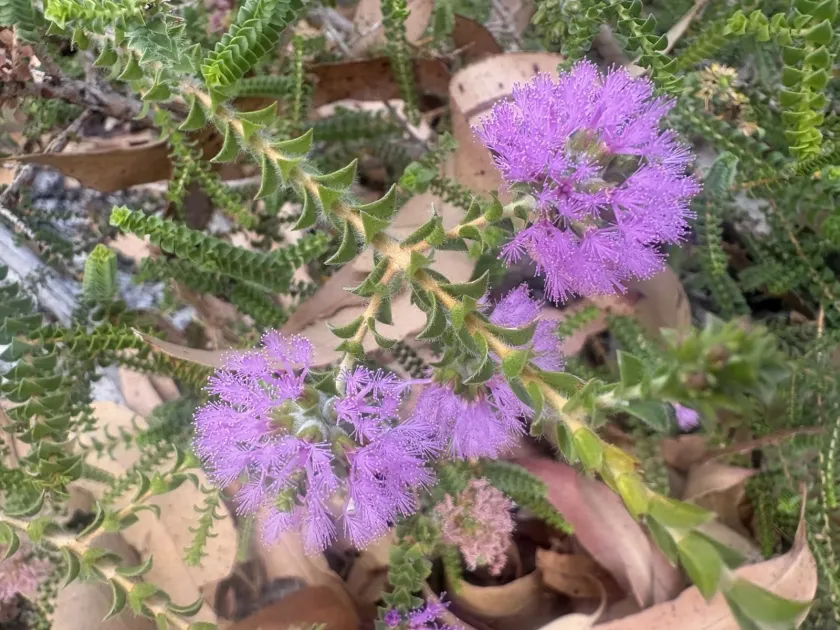
Description
Growing requirements
Melaleuca crossota is a member of the Myrtaceae family, native to the diverse ecosystems of Australia. This woody shrub is highly valued in horticulture for its unique botanical characteristics and resilience in specific environmental conditions.
Optimal growth requires well-drained soil types, preferably sandy or loamy textures, to mimic the native habitat. The soil should be slightly acidic to neutral to ensure proper nutrient uptake and prevent mineral toxicity.
Exposure to full sun is critical for this species. Without adequate sunlight, the plant tends to lose its dense growth habit and may fail to produce its characteristic floral displays throughout the growing season.
Regarding climate, Melaleuca crossota prefers temperate to subtropical environments. While it demonstrates significant drought tolerance once established, it requires protection from hard frosts and extreme winter cold.
Agricultural management should focus on balanced moisture levels. Over-irrigation is a common pitfall; therefore, allowing the top layer of soil to dry out between watering sessions is a recommended practice for long-term health.
Main diseases and pests
Root rot caused by Phytophthora or other water-borne pathogens is the most severe threat to the species. This condition is almost exclusively linked to poor drainage and waterlogged growing conditions.
Spider mites are common pests that thrive in hot, dry conditions. They damage the foliage by piercing the surface cells, which can lead to premature leaf drop if left unmanaged during a pest infestation.
Scale insects present another significant risk by settling on stems and foliage. They extract essential nutrients from the plant, often leading to secondary sooty mold growth on the honeydew they secrete.
Leaf spot diseases can develop in humid and stagnant conditions. Effective management strategies involve increasing airflow through regular pruning and applying fungicides when early symptoms of spotting occur on the leaves.
A proactive approach to health involves regular inspections of the canopy and base. Sanitation of tools after pruning is essential to prevent the spread of localized infections throughout a plantation.