
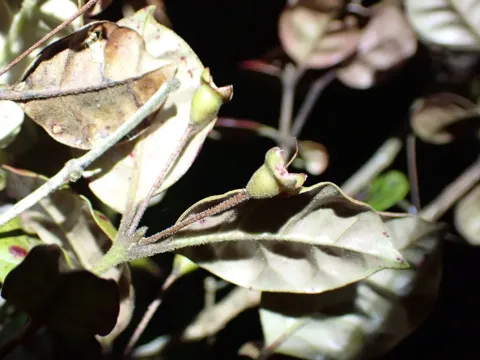
Lophomyrtus
Lophomyrtus
Lophomyrtus is a genus of evergreen shrubs belonging to the Myrtaceae family. Native to New Zealand, these plants are known for their compact growth, glossy foliage, and delicate, fragrant flowers, making them a staple in subtropical garden designs and interior landscaping.
What the section contains

Lophomyrtus
Botanically, the plant is characterized by its small, opposite, often colorful leaves that contain essential oils. The flowers typically feature numerous stamens, which is a classic trait for the Myrtaceae family, followed by small berries that add further ornamental value to the plant.
The culture requires well-draining, nutrient-rich soil with a slightly acidic to neutral pH level. In cultivation, it is essential to prevent waterlogging, as the root system is highly sensitive to hypoxia, which can lead to rapid plant decay if drainage is inadequate.
Lophomyrtus thrives in temperate climates with mild winters and high humidity. It cannot withstand hard frosts, so growers in colder regions should cultivate it in containers, moving the plants to protected areas or greenhouses during the winter months to prevent cold damage.
In commercial and amateur horticulture, Lophomyrtus is widely used for hedging, topiary, and container gardening. Its ability to tolerate pruning makes it an excellent candidate for decorative shapes, providing year-round green texture to conservatories and sheltered patios.
Common pests affecting Lophomyrtus include scale insects and spider mites, particularly when grown in indoor environments where air circulation is restricted. Monitoring the foliage and maintaining adequate humidity levels are key to managing these infestations effectively.
Root rot and leaf spot are the most prevalent diseases associated with poor maintenance practices. To mitigate these risks, it is essential to ensure consistent air circulation and avoid over-watering, especially during the dormant winter period when the plant's metabolic activity slows down.