
Melaleuca armillaris
Melaleuca armillaris
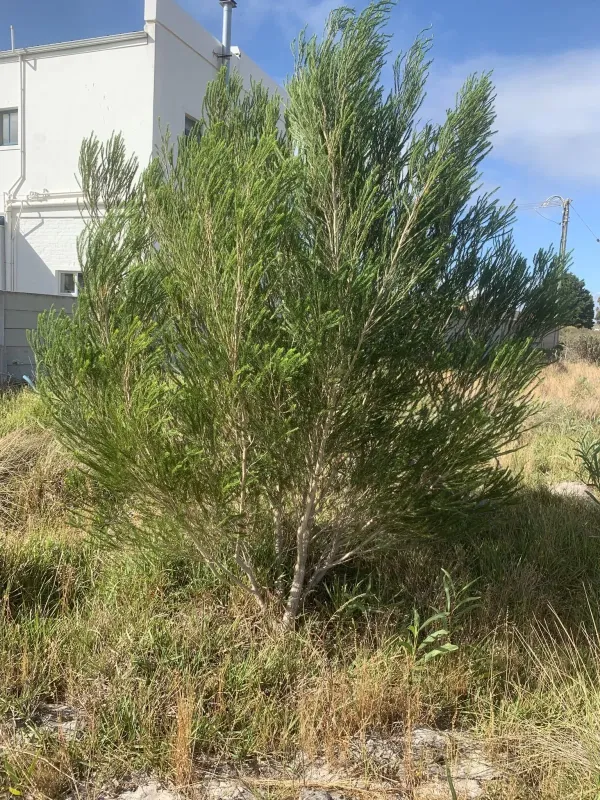
Description
Sowing dates
Melaleuca armillaris is typically propagated through seeds or cuttings under controlled conditions. Seeds are sown in a light, well-draining substrate in late winter or early spring to ensure healthy seedling development.
For successful germination, a stable temperature ranging between 20–25 degrees Celsius is required. It is crucial to maintain consistent soil moisture while ensuring the medium does not become waterlogged.
Cuttings are usually taken during the summer months, utilizing semi-hardwood segments approximately 10–15 centimeters long. Rooting is most effective in a mixture of peat and perlite using appropriate rooting hormones.
Once the first set of true leaves appears, seedlings are transplanted into individual containers. Young plants need a gradual acclimation process to full sunlight and outdoor conditions before final planting.
Transplanting into the permanent outdoor location should only occur after the risk of frost has passed. The plant prefers a site with sufficient room, as it tends to develop a dense, spreading habit.
Growing requirements
Melaleuca armillaris, commonly known as the bracelet honey myrtle, is an evergreen shrub belonging to the Myrtaceae family. It is native to the coastal regions of Australia, where it thrives in sunny, open spaces.
This species is highly adaptable to various soil types, including sandy and slightly saline conditions. It shows excellent resistance to coastal winds and can tolerate periods of moderate drought once established.
The plant is frost-tender and does not survive prolonged freezing temperatures. In colder climates, it is best grown as a container plant and moved to a greenhouse or sheltered area during winter months.
To promote vigorous growth, regular but moderate irrigation is required during the active growing season. Mature plants are quite resilient and can handle temporary water deficits without significant stress.
Regular pruning is essential for maintaining the shape of the shrub and encouraging dense foliage growth. Pruning should be carried out after the flowering season to remove older or overcrowded branches.
Main diseases and pests
Melaleuca armillaris is generally resistant to many diseases, but poor drainage can lead to root rot. Maintaining a proper watering regime is the most effective way to prevent fungal infections.
Occasionally, the shrub may be attacked by scale insects or spider mites, especially in glasshouse conditions. Regular inspection of the foliage helps in identifying and managing infestations at an early stage.
In the event of pest issues, appropriate insecticides or acaricides should be used according to the product guidelines. Ensuring good air circulation around the plant is vital to minimize pest pressure.
Powdery mildew can sometimes appear under conditions of high humidity combined with poor airflow. Keeping the plant in a well-ventilated spot reduces the likelihood of such fungal problems developing.
Balanced fertilization is recommended, as an excess of nitrogen can make the plant more susceptible to aphids and other sap-sucking pests. Always use a slow-release fertilizer tailored for native shrubs.