
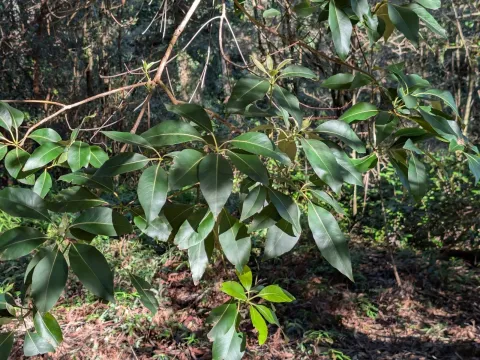
Lophostemon
Lophostemon
Lophostemon belongs to the Myrtaceae family and includes several species of evergreen trees, the most well-known being Lophostemon confertus. Native to coastal eastern Australia, these trees are typically found in moist forest environments where they benefit from consistent light and warmth.
What the section contains

Lophostemon
For successful cultivation, the plant requires well-drained, fertile soil that is slightly acidic to neutral in pH. While Lophostemon is highly adaptive to various soil types, maintaining adequate soil moisture during the initial establishment phase is crucial for robust root development.
The climate requirements for Lophostemon are centered on warm, subtropical regions. While some species show moderate cold tolerance, the plants thrive best when protected from prolonged frost and harsh winter conditions, which are limiting factors for their geographic distribution.
Botanically, the plant is characterized by a dense, rounded crown and leathery foliage that transforms in color during the growth cycle. The bark often peels away in thin, papery strips, contributing to the distinct, rugged appearance of the mature trunk.
The primary agricultural and economic use of Lophostemon is in urban forestry and professional landscaping. It is highly valued for its ability to withstand city air pollution and its moderate growth rate, making it an excellent choice for street lining and park development.
The most common health threats for Lophostemon are fungal pathogens, which typically flourish when there is poor drainage or limited air circulation within the canopy. Root rot is a significant concern if the soil remains waterlogged for extended periods.
Pests that commonly impact this species include scale insects and mealybugs, which feed on the sap of tender new growth. In particularly hot and dry environments, spider mites can also emerge, causing discoloration and leaf drop.
To prevent these threats, regular pruning is essential to promote good airflow through the branches, which keeps the foliage dry and reduces the habitat for fungal spores. Monitoring should be focused on the underside of leaves and branch junctions.
In cases of significant infestation, systemic insecticides are often employed. It is important to apply these treatments cautiously, especially in urban environments, to minimize the impact on local pollinators and beneficial insect populations.
Maintaining the overall vitality of Lophostemon through proper site selection and consistent management practices ensures long-term resilience against common pests and environmental stressors, allowing the tree to thrive for many decades.