
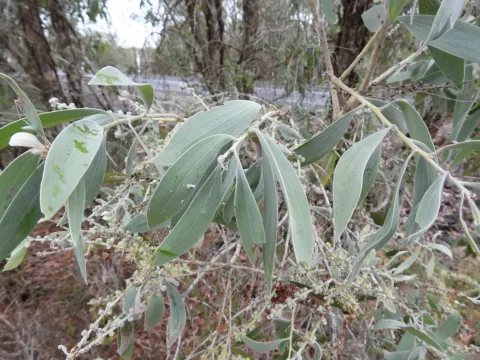
Melaleuca dealbata
Melaleuca dealbata
Melaleuca dealbata, commonly known as the blue-leaved paperbark, is a tree species in the Myrtaceae family native to Northern Australia and New Guinea. It is an evergreen plant naturally adapted to swampy conditions, floodplains, and areas with fluctuating water tables.
What the section contains
Melaleuca dealbata
The plant thrives in tropical climates characterized by high humidity and warm temperatures throughout the year. It possesses a remarkable tolerance for waterlogged soils, making it an excellent candidate for reforestation and land reclamation in wet tropical environments where other crops might fail.
Soil preferences include alluvial, silty, or loamy types that retain moisture well. While it prefers neutral to slightly acidic soils, it is highly versatile and can adapt to various conditions provided there is enough moisture during the establishment phase of young trees.
Agronomic management involves spacing plants to ensure sufficient light penetration, although the species is quite resilient. In commercial settings, initial irrigation is necessary for the first few seasons to ensure root system development before the trees become fully self-sufficient.
The economic value of Melaleuca dealbata lies primarily in the extraction of essential oils, which are rich in bioactive terpenes. Additionally, the timber is recognized for its durability and resistance to decay, providing high-quality wood for exterior construction and fencing.
The primary threats to Melaleuca dealbata plantations involve fungal infections of the root system, often triggered by stagnant water and poor soil aeration. Pathogens like Phytophthora species can cause severe damage if drainage is not properly managed in low-lying areas.
Pests such as leaf-eating beetles and wood-boring insects may affect plant vigor, particularly in younger stands. Integrated Pest Management (IPM) strategies, which prioritize natural predators and monitoring, are essential for maintaining plantation health without excessive chemical use.
High humidity within dense canopy areas can promote the growth of powdery mildew and other foliar diseases. Regular pruning of lower branches helps to maintain adequate airflow, reducing the humidity levels that favor the spread of fungal spores among the trees.
Outbreaks of pests are more likely to occur during periods of environmental stress, such as extreme heat or nutrient deficiency. Maintaining consistent soil moisture and providing balanced mineral supplements help strengthen the tree's natural defense mechanisms against potential attackers.
Biosecurity measures, including the sanitation of agricultural tools between rows, are critical for preventing the spread of diseases. Any detected infected material should be promptly removed and destroyed to limit the risk of transmission to healthy sections of the plantation.
Harvesting Melaleuca dealbata involves the collection of foliage and soft twigs, which are the primary sources of essential oils. Mechanical harvesting using adapted machinery is the industry standard for large-scale operations, ensuring both efficiency and consistency.
The timing of the harvest is crucial, with the optimal period occurring when the glandular structures of the leaves are most saturated with essential oils. Multiple harvests per year are often possible, depending on the plant's recovery rate and local climatic conditions.
Once collected, the plant material must be processed immediately via steam distillation to prevent the loss of volatile compounds. Efficient logistics are required to transport the harvest from the field to the distillation facility without significant delays or biomass degradation.
High-capacity machinery allows for precise pruning, which not only yields the necessary biomass but also shapes the canopy for future growth. This cycle of pruning is essential for stimulating the development of new, oil-rich vegetative tissue in subsequent seasons.
Post-harvest management is a vital phase that includes nutrient replenishment and soil monitoring to ensure long-term productivity. By maintaining a healthy root system and proper canopy structure, growers can ensure the longevity and sustained output of their Melaleuca plantations.