
Melaleuca diosmifolia
Melaleuca diosmifolia
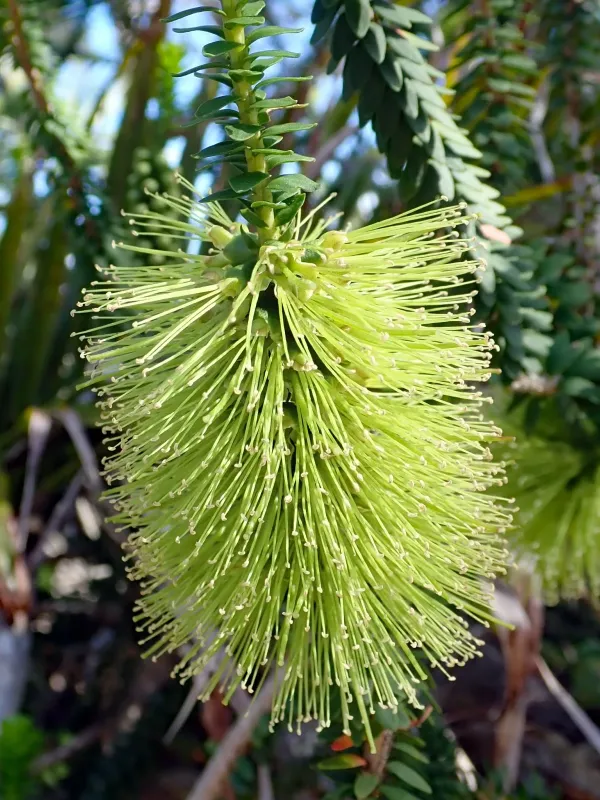
Description
Growing requirements
Melaleuca diosmifolia is a prominent member of the Myrtaceae family, native to the south-western regions of Western Australia. It is highly valued for its dense foliage and unique bottle-brush-like flowers.
The plant thrives in full sun exposure, which is essential for dense crown development and prolific flowering. It is adapted to Mediterranean climates and prefers sites with high light intensity.
Regarding soil, it requires well-drained, slightly acidic to neutral substrates. Heavy clay soils should be amended with organic matter and sand to ensure proper aeration for the root system.
Water requirements are moderate; the plant is drought-tolerant once established. However, consistent moisture is necessary during the first year of growth to support the initial development of the root ball.
Pruning is a critical agrotechnical practice. It should be performed annually after the flowering period to maintain a compact shape and encourage the growth of new, vibrant flower-bearing wood.
Main diseases and pests
Common pests include scale insects and spider mites, which can cause significant stress to the plant, especially in container-grown or greenhouse specimens.
Fungal infections, such as powdery mildew or leaf spot, are prevalent in areas with high humidity and insufficient air circulation around the foliage.
Root rot is the most common physiological issue caused by poor drainage or overwatering, often leading to sudden decline of the shrub.
Integrated pest management, including the use of horticultural oils and neem-based products, is recommended to control pest populations safely.
Keeping the plant healthy through optimal nutrition and proper pruning is the best defense against both insect infestations and fungal pathogen development.