
Melaleuca diosmatifolia
Melaleuca diosmatifolia
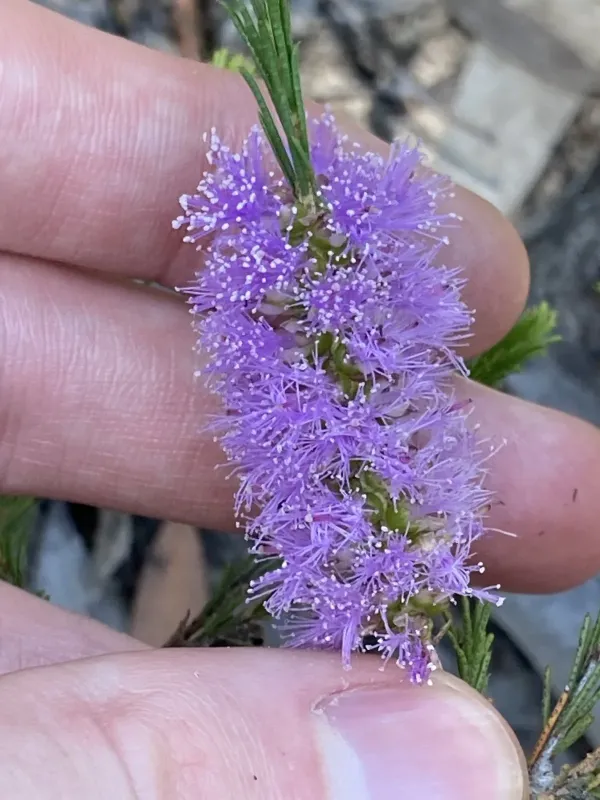
Description
Growing requirements
Melaleuca diosmatifolia is a prominent member of the Myrtaceae family. Originating from the diverse landscapes of Australia, this evergreen shrub is highly adapted to sunny environments and well-drained soils, which are characteristic of its native habitat.
The crop thrives in subtropical climates, requiring significant exposure to sunlight to maintain optimal health and ensure the synthesis of aromatic compounds within its foliage. It is sensitive to extreme frost, which makes proper location selection crucial for its cultivation.
Regarding soil, the plant requires excellent drainage to prevent root issues. Ideally, it grows in slightly acidic or neutral sandy-loam soils that allow for deep root penetration without the risk of waterlogging, which the plant does not tolerate well.
Agricultural management involves regular irrigation during the initial stages of establishment, although mature shrubs demonstrate substantial drought tolerance. Periodic application of trace-element-rich fertilizers is recommended to maintain the deep green color of the foliage and promote vigorous growth.
Economically, Melaleuca diosmatifolia is highly valued for the essential oils extracted from its leaves, which are used in skincare and antiseptic products. Furthermore, its unique floral architecture makes it a popular choice for landscape design and environmental enrichment projects.
Main diseases and pests
Root rot caused by Phytophthora species is the most significant threat to Melaleuca plantations, usually resulting from poor soil drainage or excessive irrigation practices.
Scale insects and spider mites are common pests that target the plant, especially in sheltered or greenhouse environments where natural predators are absent.
Prevention focuses on maintaining optimal plant spacing, which ensures sufficient airflow and reduces the micro-humidity levels that favor the spread of fungal spores.
Integrated pest management strategies should be employed, prioritizing the use of horticultural oils or biological controls to protect the crop without damaging the environment.
Regular monitoring of plant health allows for the early detection of stress, enabling farmers to intervene with targeted maintenance or pruning to restore the crop's vitality.